
Checking on high-risk patients pulls staff from the clinic floor. MediRemote provides real people to run your principal care management services without adding work to your schedule. We handle phone calls and paperwork, helping specialist clinics reduce administrative workload without adding internal staffing burden
A PCM program allows specialty practices to bill for the non-face-to-face care coordination they already provide for patients with a single, complex chronic condition.
MediRemote helps reduce the operational workload required to run these programs by supporting patient onboarding, monthly care coordination activities, and billing documentation so your clinical team can stay focused on in-office care.
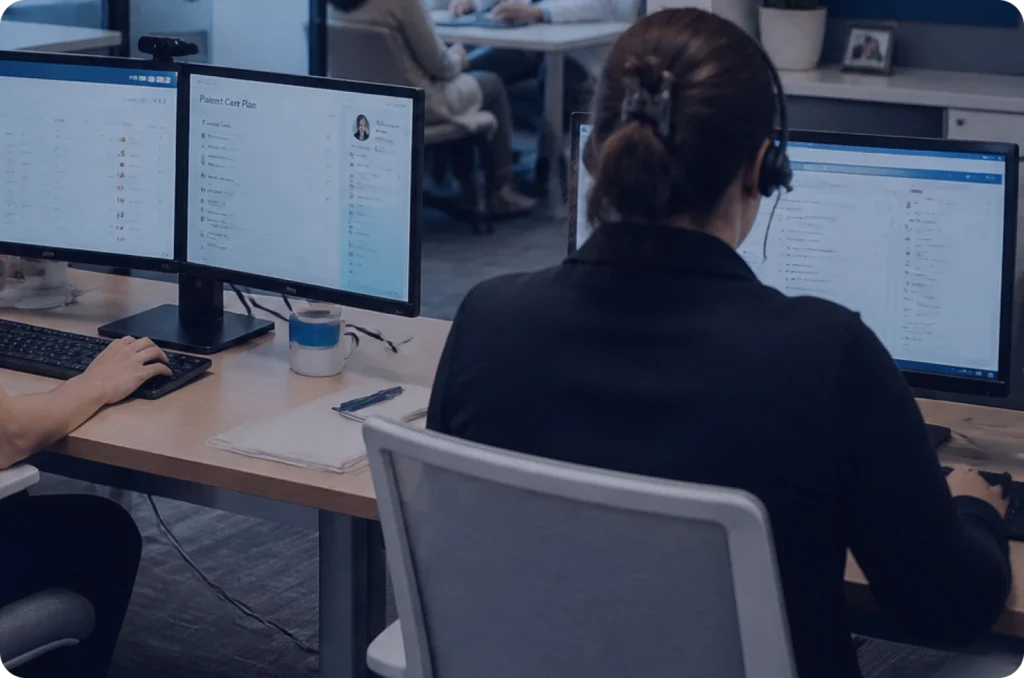
Our remote care teams work quietly in the background as a natural part of your office, so your staff do not have to do double data entry or chase down files.
All care updates, symptom logs, and patient notes are automatically recorded within MediRemote’s secure PCM care management system for real-time tracking.
We verify that your doctor has seen the patient in person within the past three years to set up the clinical baseline.
Our friendly care managers call your patients to explain the program, get their verbal or written consent, and check their health insurance.
Our remote coordinators handle the required monthly clinical calls and track health goals, saving every update directly back to your Electronic Health Record.
Two common challenges clinics face when running principal care management programs are maintaining the required monthly care coordination time and clearly communicating program participation details to patients.
MediRemote supports your clinic by handling structured care coordination activities and documenting time spent so your team can maintain accurate records for billing purposes.
Our care coordinators help complete non-face-to-face monthly coordination tasks and maintain detailed time logs based on program requirements defined by your clinic.
We support patient education around program participation and standard Medicare cost-sharing policies as directed by your clinic, ensuring patients understand program expectations.
Patients with complex chronic conditions require ongoing coordination across providers, labs, and pharmacies. MediRemote supports PCM healthcare by organizing patient information, tracking updates, and maintaining structured documentation for clinic review.
Launch our full-service program today to boost your monthly revenue and improve patient health across your entire clinic without adding any extra paperwork to your desk.
Patients with complex chronic conditions require ongoing coordination across providers, labs, and pharmacies. MediRemote supports PCM healthcare by organizing patient information, tracking updates, and maintaining structured documentation for clinic review.
Additional provider time beyond the initial 30 minutes.
Additional clinical staff time beyond the initial 30 minutes.
Every medical practice faces different clinical challenges. Our specialized cellular devices and dedicated coordinators integrate smoothly into your existing workflow, allowing your team to monitor high-risk patients without adding a single task to your daily office routine.
MediRemote helps healthcare providers across multiple states deliver remote monitoring and ongoing support for COPD and other chronic conditions.

We provide simple, connected home devices that automatically send health readings straight to our care managers. This keeps your patients safe and removes the need for manual data logging.
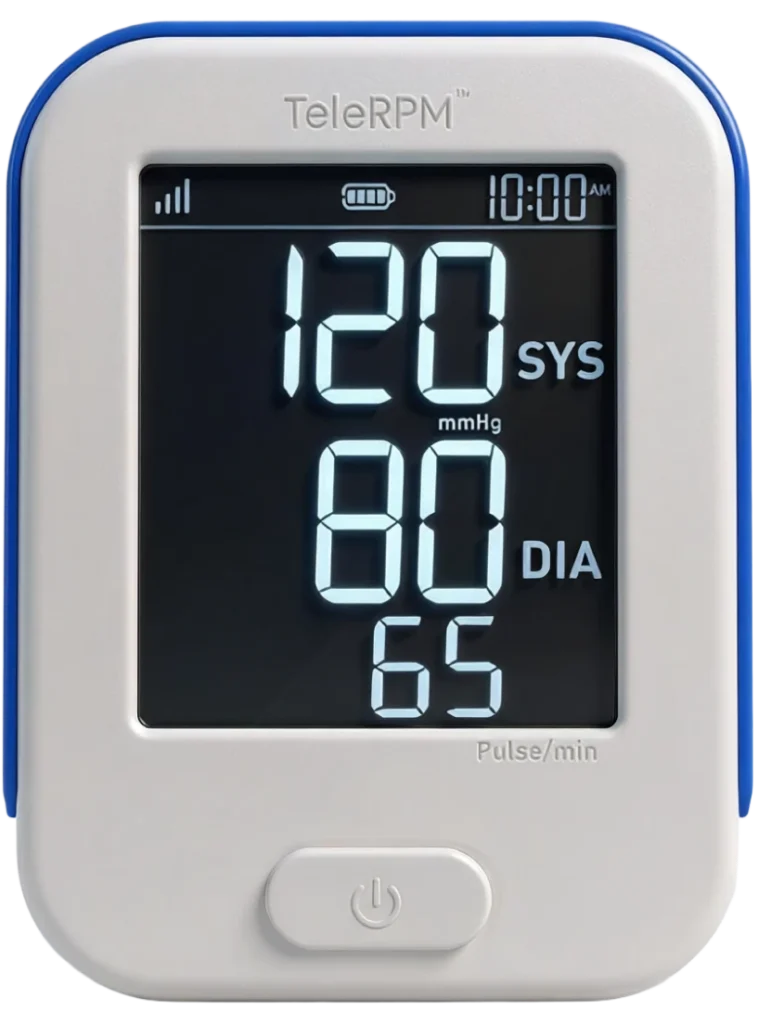
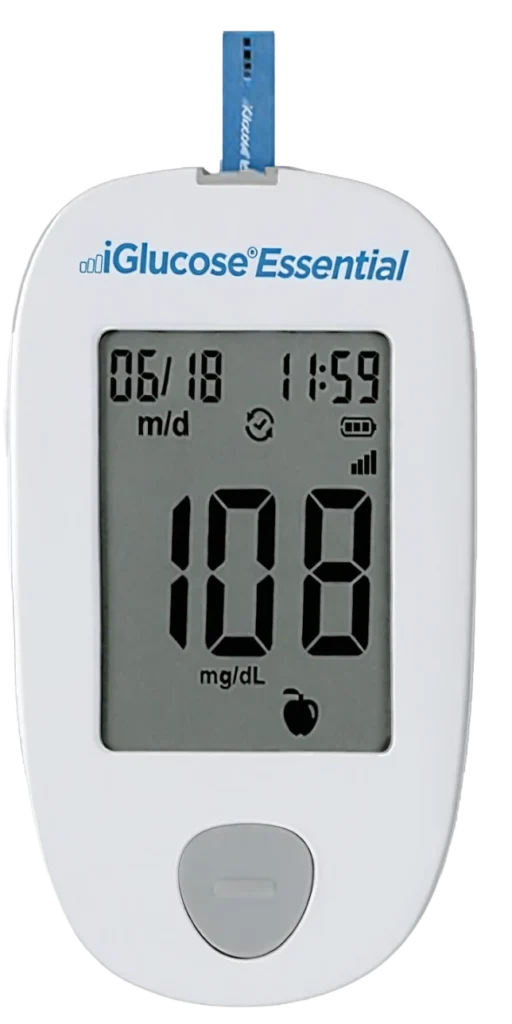
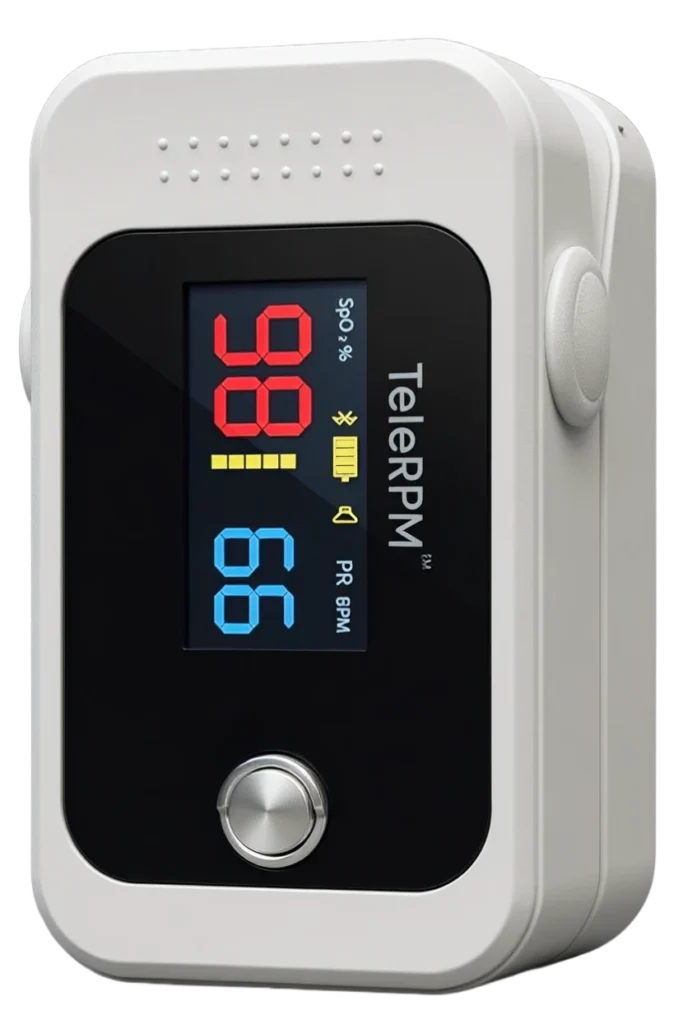
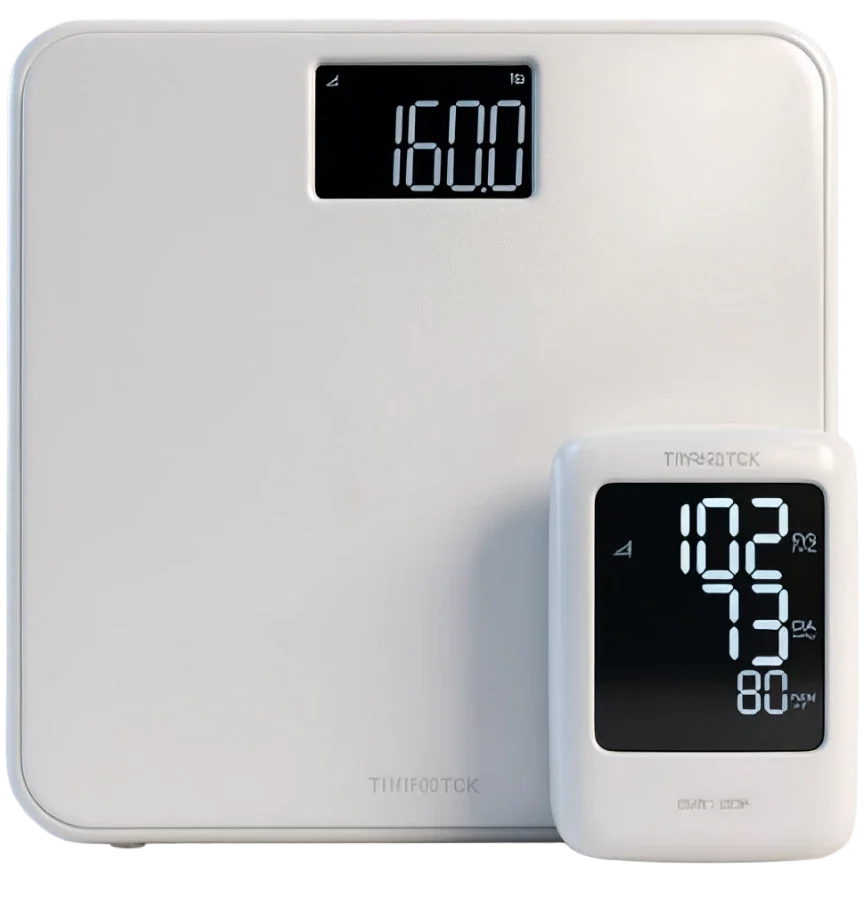
MediRemote helps providers coordinate and manage care for patients with chronic conditions, supporting better outcomes and continuity of care.
Conditions
Many specialty clinics struggle to keep up with PCM programs because consistent monthly patient follow-ups take time that most teams simply do not have. MediRemote provides trained care coordinators who support these activities as part of your practice workflow.
We take on the administrative and documentation work involved in running the program, which helps reduce the load on your internal staff. Your clinical team remains fully in control of all medical decisions.
Standard care software leaves all the heavy lifting to your local team. MediRemote pairs easy software tracking with live, US-based care managers to handle your daily operations. With zero added workload, specialist providers get nationwide service, 97%+ clean claims, and a revenue boost within 30–60 days.
Our live care managers handle the monthly 30-minute phone calls and tracking so your clinic staff can focus entirely on in-office care.
We support clinics in achieving high claim accuracy by providing structured documentation, care coordination tracking, and organized monthly billing workflows.
All patient goals, symptoms, and progress updates are continuously tracked inside MediRemote’s PCM platform for complete visibility.
Our friendly outreach specialists manage compliance check-ins, explain the program clearly, and secure proper patient consent.
Partner with real care managers who handle your principal care management services so your team can focus strictly on patient care.
Stay informed with practical insights on RPM, CPT codes, Medicare billing, reimbursement, and chronic care management.
The big difference is the number of conditions. While Chronic Care Management (CCM) requires a patient to have two or more long-term health issues, principal care management focuses entirely on a single, complex illness that needs highly specialized care coordination.
One doctor cannot bill for both programs for the same patient in the same month. However, a patient can legally get PCM services from a specialist and CCM services from their primary care doctor, as long as they are tracking completely different medical conditions.
Yes. Medicare rules explicitly allow clinics to offer principal care management Medicare programs at the same time as Remote Patient Monitoring. This dual setup increases your monthly revenue while providing an extra safety net for high-risk patients.
While some post-hospital cases are stabilized over 6 to 12 months and safely sent back to their primary doctor, most individuals dealing with severe, lifelong chronic conditions use the program continuously to stay healthy.