
G0512 CPT Code: RHC and FQHC Billing Guide
G0512 is a Medicare HCPCS code that was used by eligible Rural Health Clinics (RHCs) and Federally Qualified Health Centers (FQHCs) to bill psychiatric Collaborative

G0512 is a Medicare HCPCS code that was used by eligible Rural Health Clinics (RHCs) and Federally Qualified Health Centers (FQHCs) to bill psychiatric Collaborative
Medical coding is not always simple. Some patient visits do not match any listed E/M code. Using the wrong code can delay reimbursement or lead
H2020 Cpt Code is used for therapeutic behavioral services per diem. This code reflects medical interventions for daily mental health related issues and community support.Approximately
98984 Cpt Code reflects (RTM) Remote Therapeutic Monitoring Services. It includes musculoskeletal status, respiratory function, therapy adherence, and therapeutic response, Before cpt code 98984, Healthcare
HCPCS code G0023 reflects Principal Illness Navigation (PIN) services. It includes 60 minutes of a healthcare session covering high risk conditions leading to hospitalization or
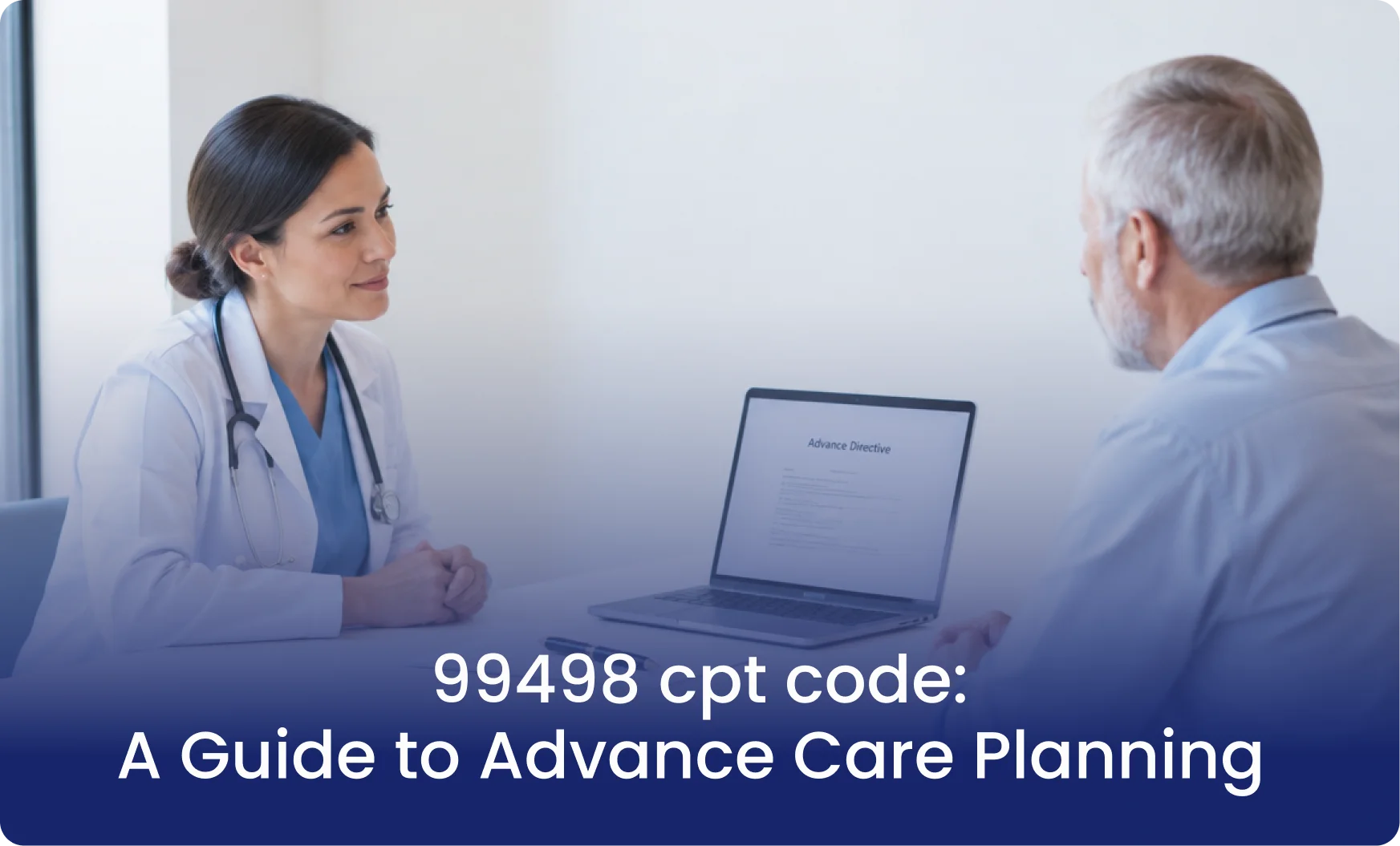
The 99498 CPT code reflects additional 30 minutes of advance care planning services, followed by an initial 30 minutes billed under CPT Code 99497. The
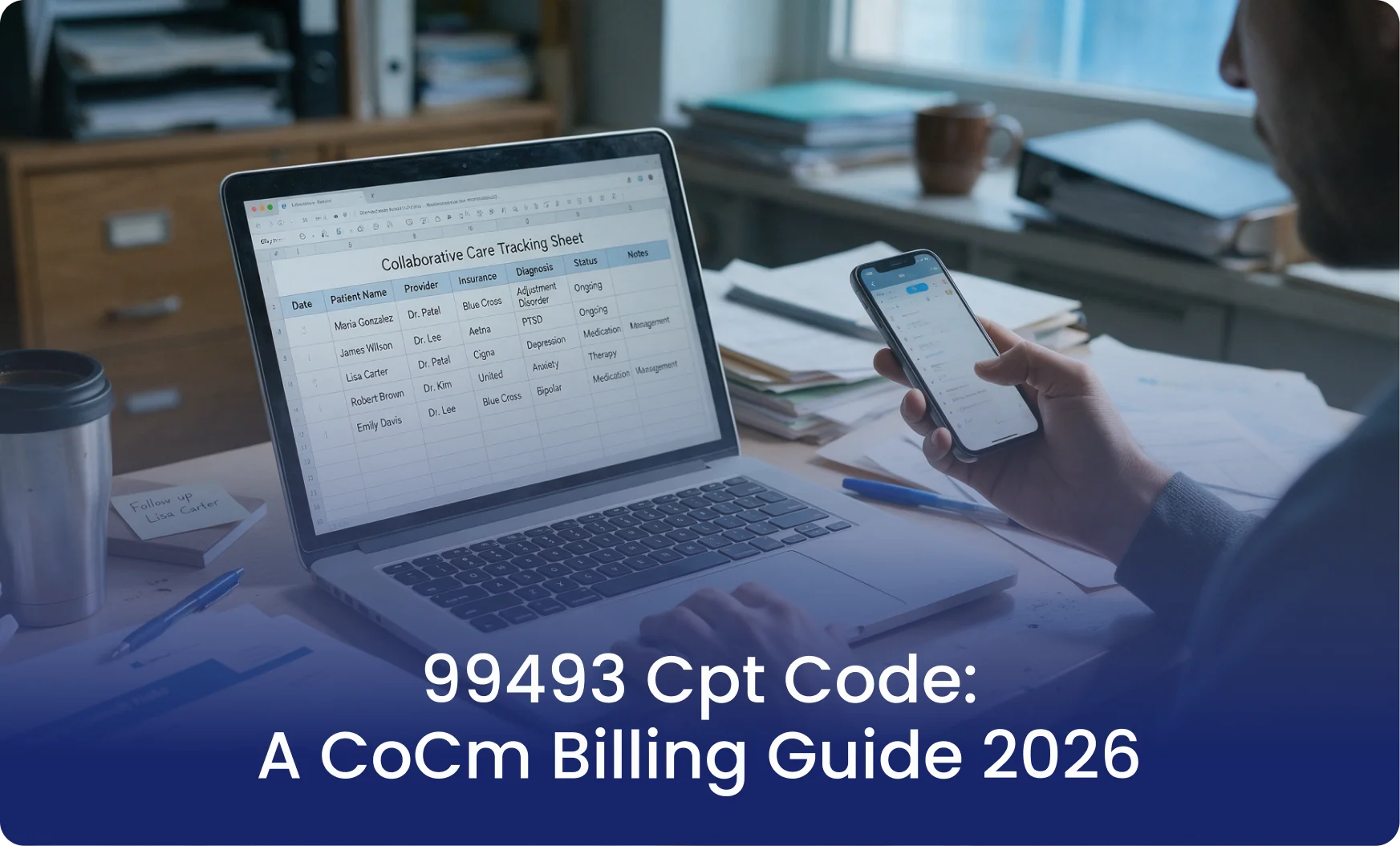
99493 Cpt Code indicates the 60 minutes of subsequent month psychiatric collaborative care management services. In other words, a team of behavioural health care manager
G2211 Cpt Code is an ad-on Code by Medicare that providers use against outpatient E/M (Evaluation and Management) Services. It reflects the time and healthcare
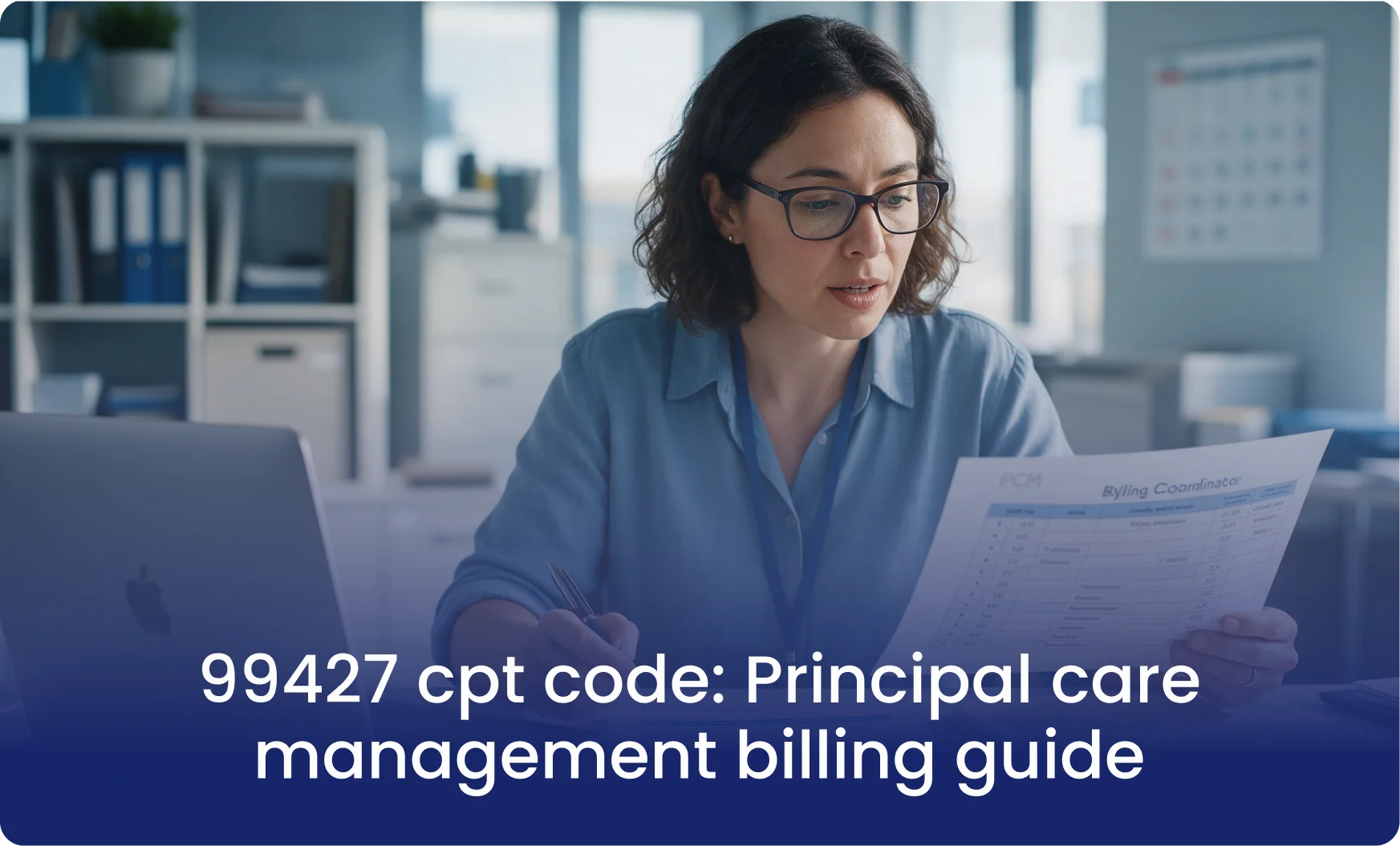
The 99427 CPT code covers extra time for Principal Care Management services. It applies to each additional 30 minutes of clinical staff time. Providers use
99245 CPT code is an ad-on code for principal care management services. This pcm additional time billing is used when a physician provides additional 30
99437 cpt code is for extra 30 minutes that a physician spends on chronic care management within a calendar month. The patient must have 2
98981 CPT Code reflects remote therapeutic monitoring. It is an ad-on code that requires 20 minutes of non-face-to-face interaction with patients within a calendar month.
Internal medicine practices carry a heavy load of chronic conditions. Patients leave the office with a plan. But what happens in the weeks between visits
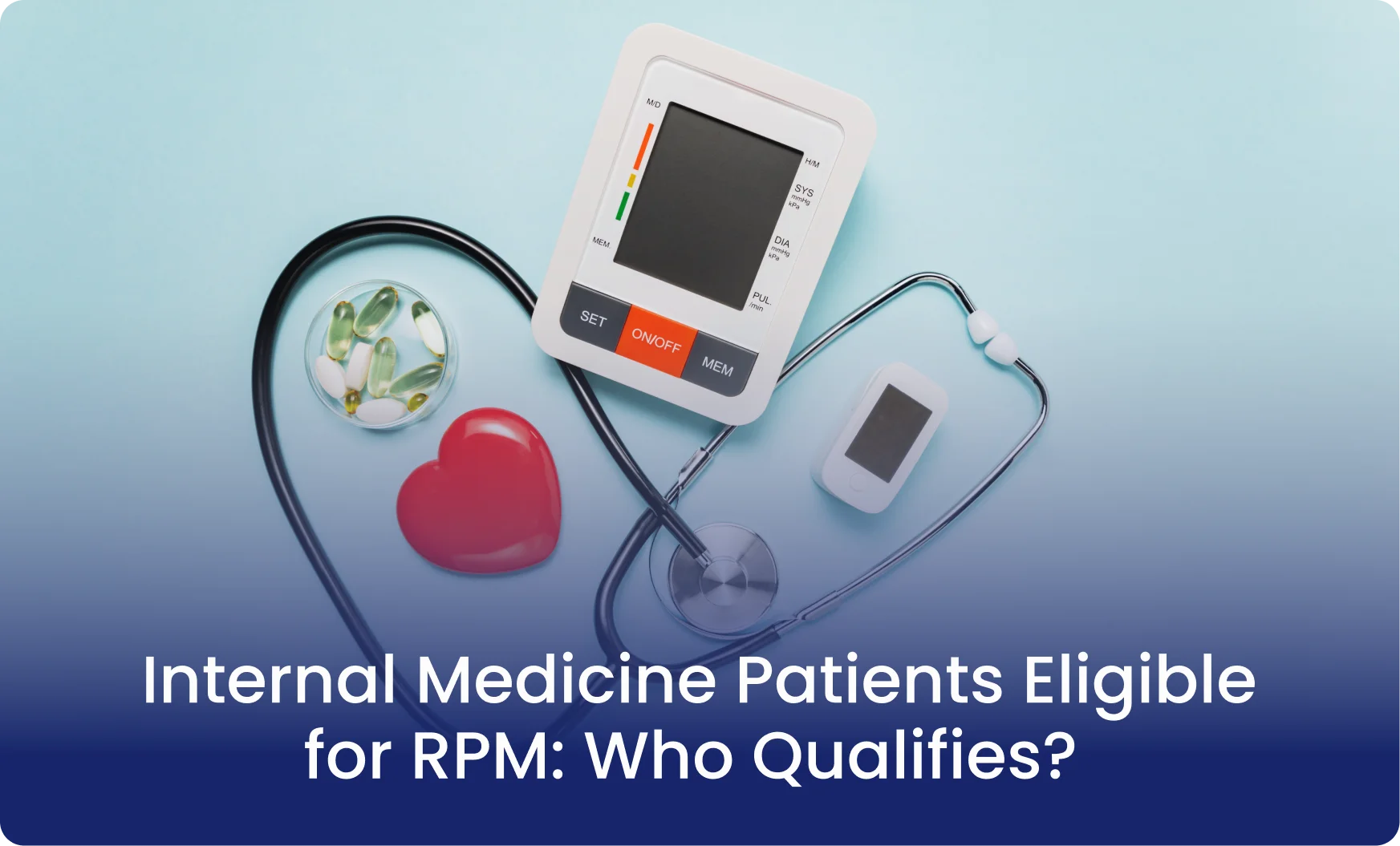
Internal medicine practices deal with patients struggling with multiple chronic conditions that fail to stay controlled. The traditional model of seeing someone every few months
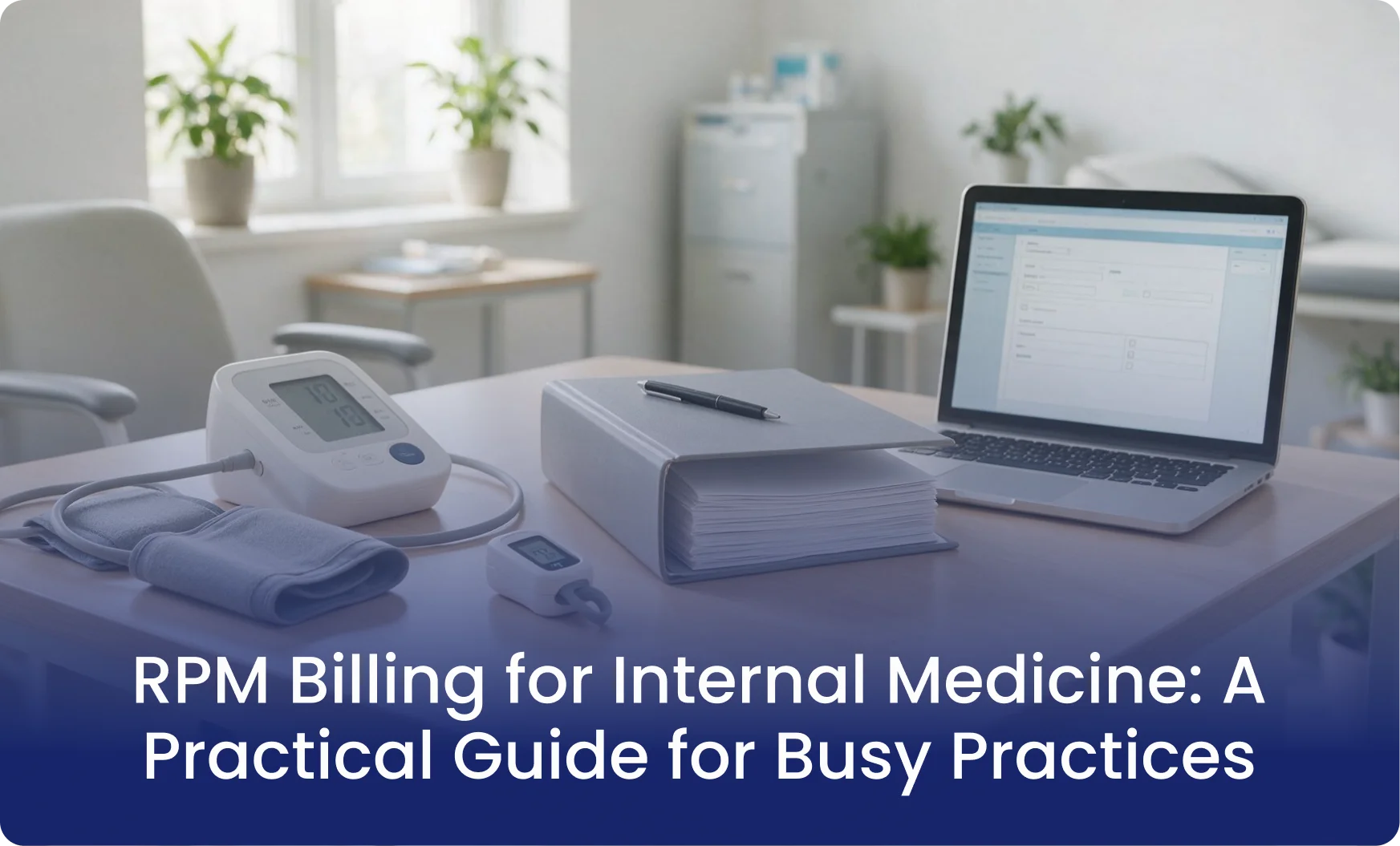
Internal medicine practices sit in a unique spot. Your patient panels are packed with the exact chronic conditions that Remote Patient Monitoring was built for.
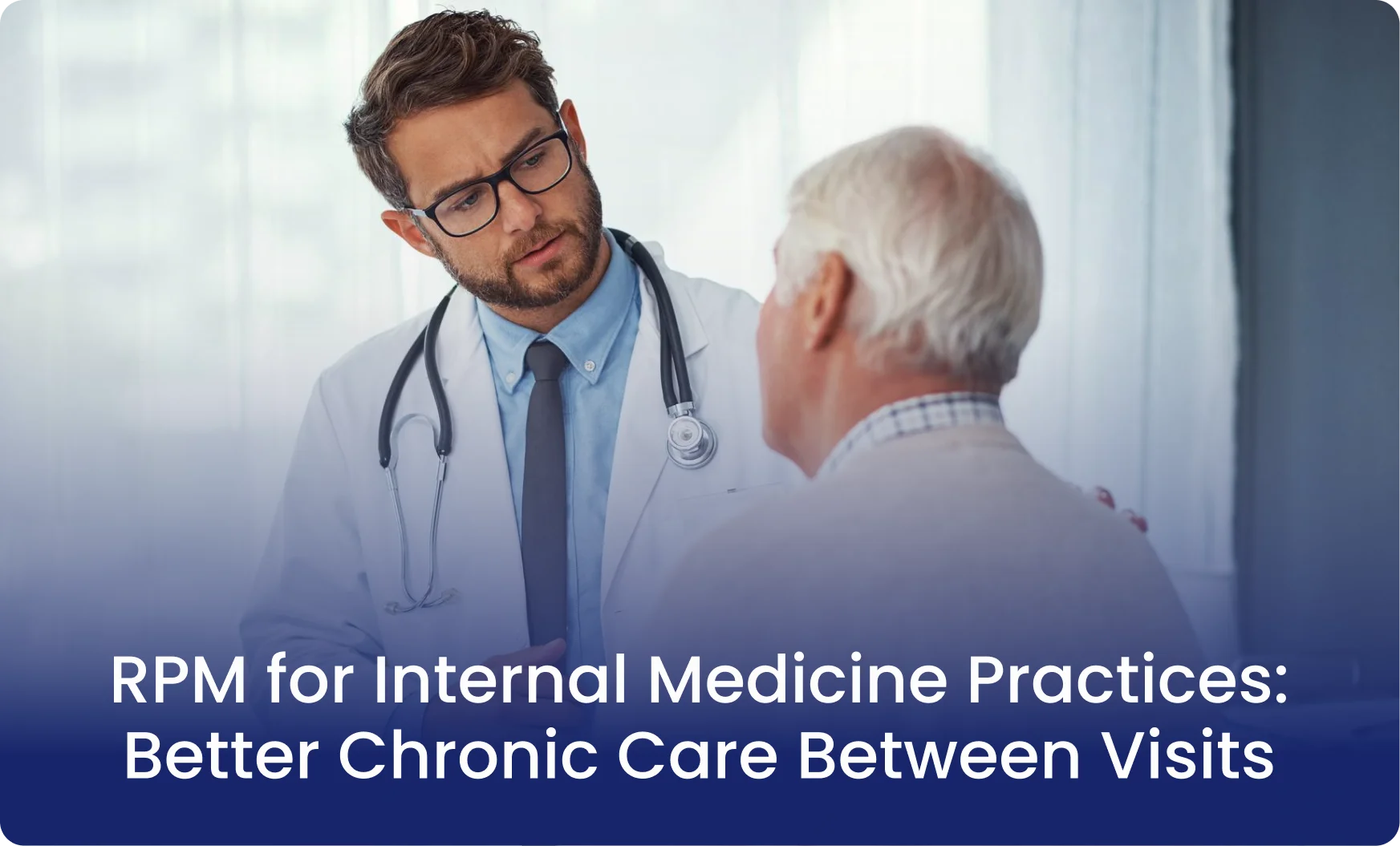
Internal medicine practices are under constant pressure to do more with less. Internal medicine practices spend most of their days managing patients with long-term conditions
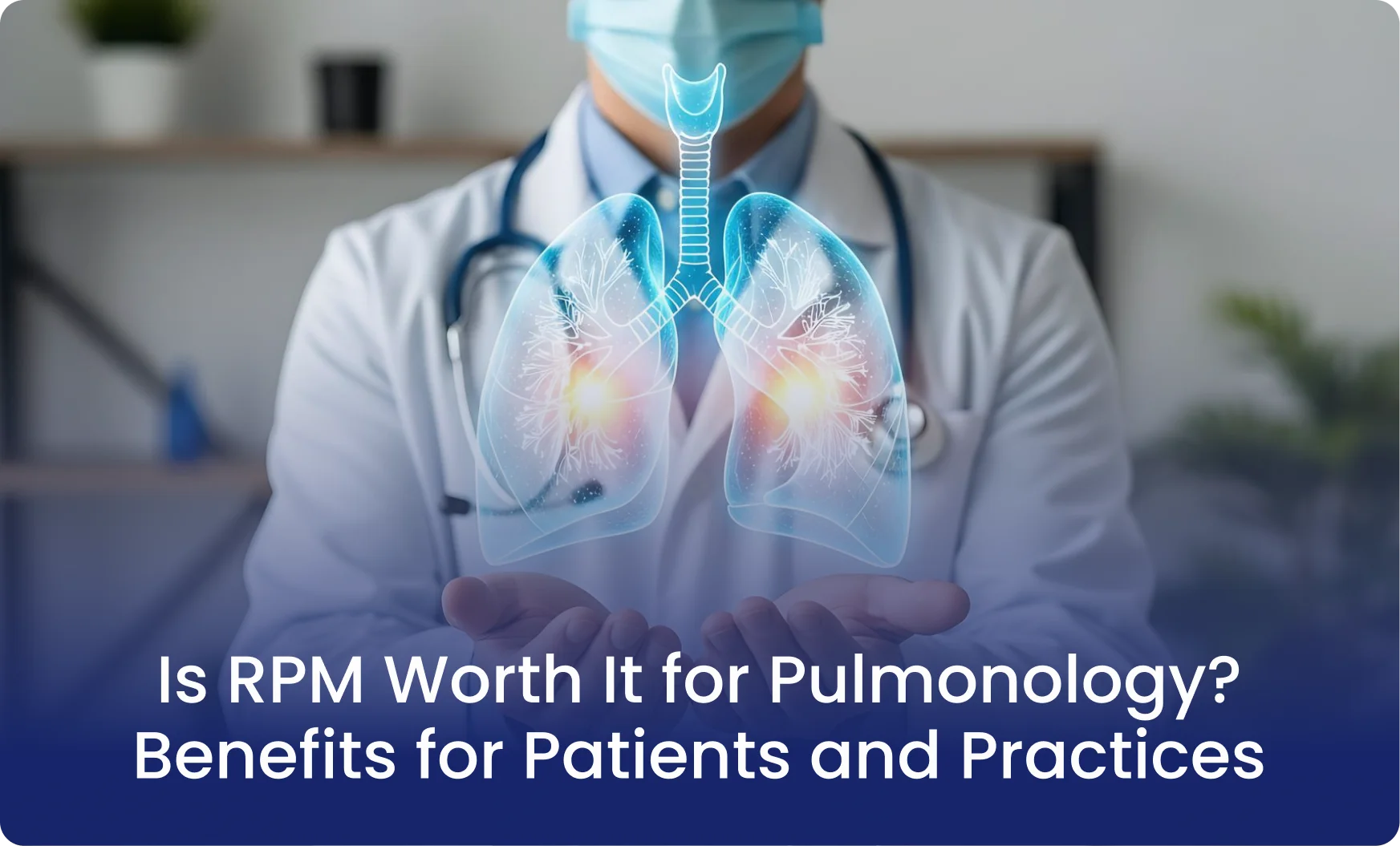
If you are a pulmonologist considering the pros and cons of remote patient monitoring, you are not the only one. With COPD and asthma affecting
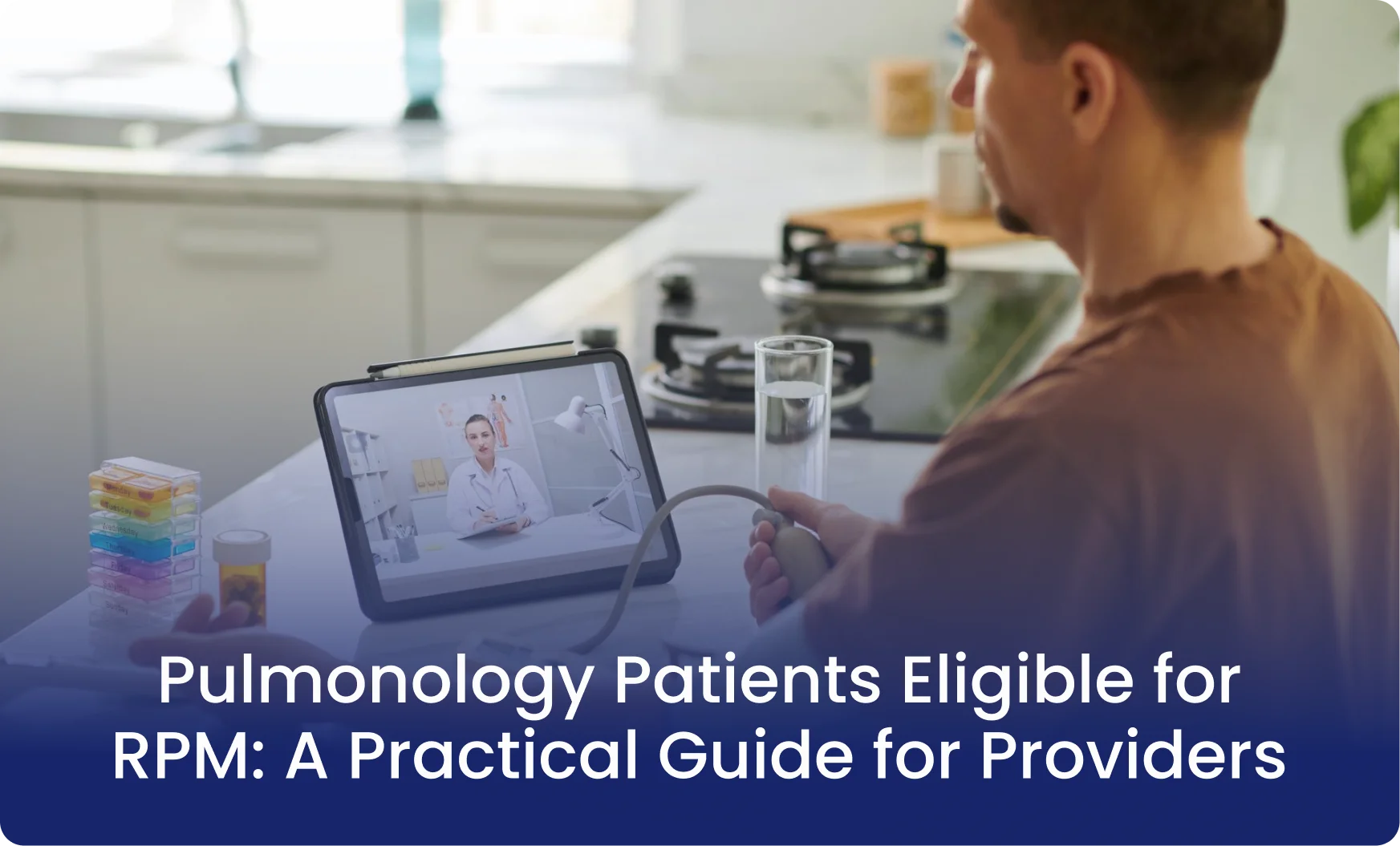
The first step in expanding remote patient monitoring services for a pulmonology practice is determining which patients are eligible. Chronic respiratory conditions like COPD and
Pulmonology practices see the same pattern every week. COPD and asthma patients leave the office stable. But they then come back weeks later in flare-up
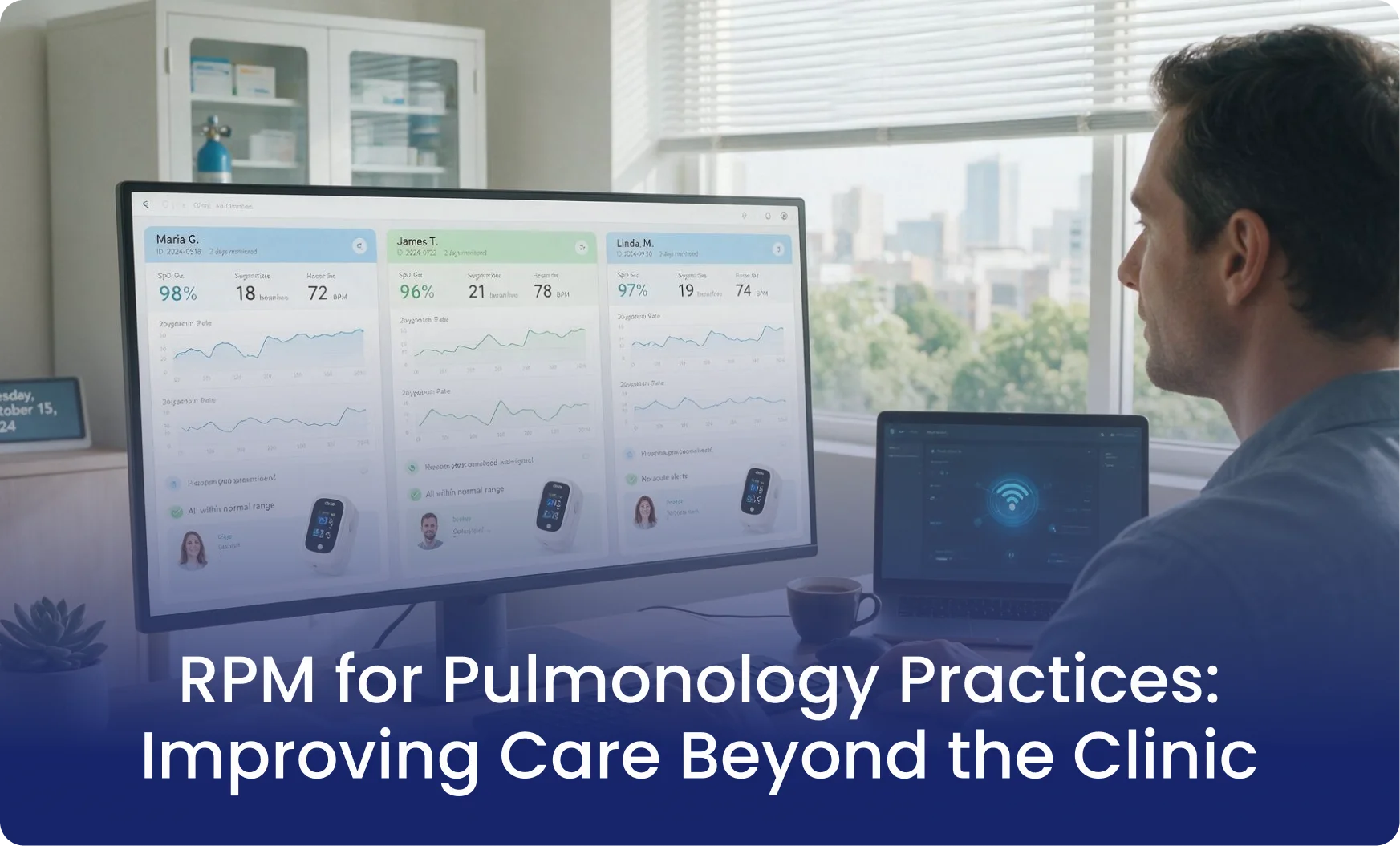
Pulmonology practices deal with a tough reality every day. Patients with COPD and other chronic respiratory conditions can go from stable to struggling in a
Endocrinology practices live in a different billing world than most specialties. Diabetes alone brings continuous glucose monitors, home blood pressure cuffs and a steady stream
Endocrinology practices are under more pressure than ever. Diabetes is becoming more common, there is a real shortage of specialists, and patients want treatment that
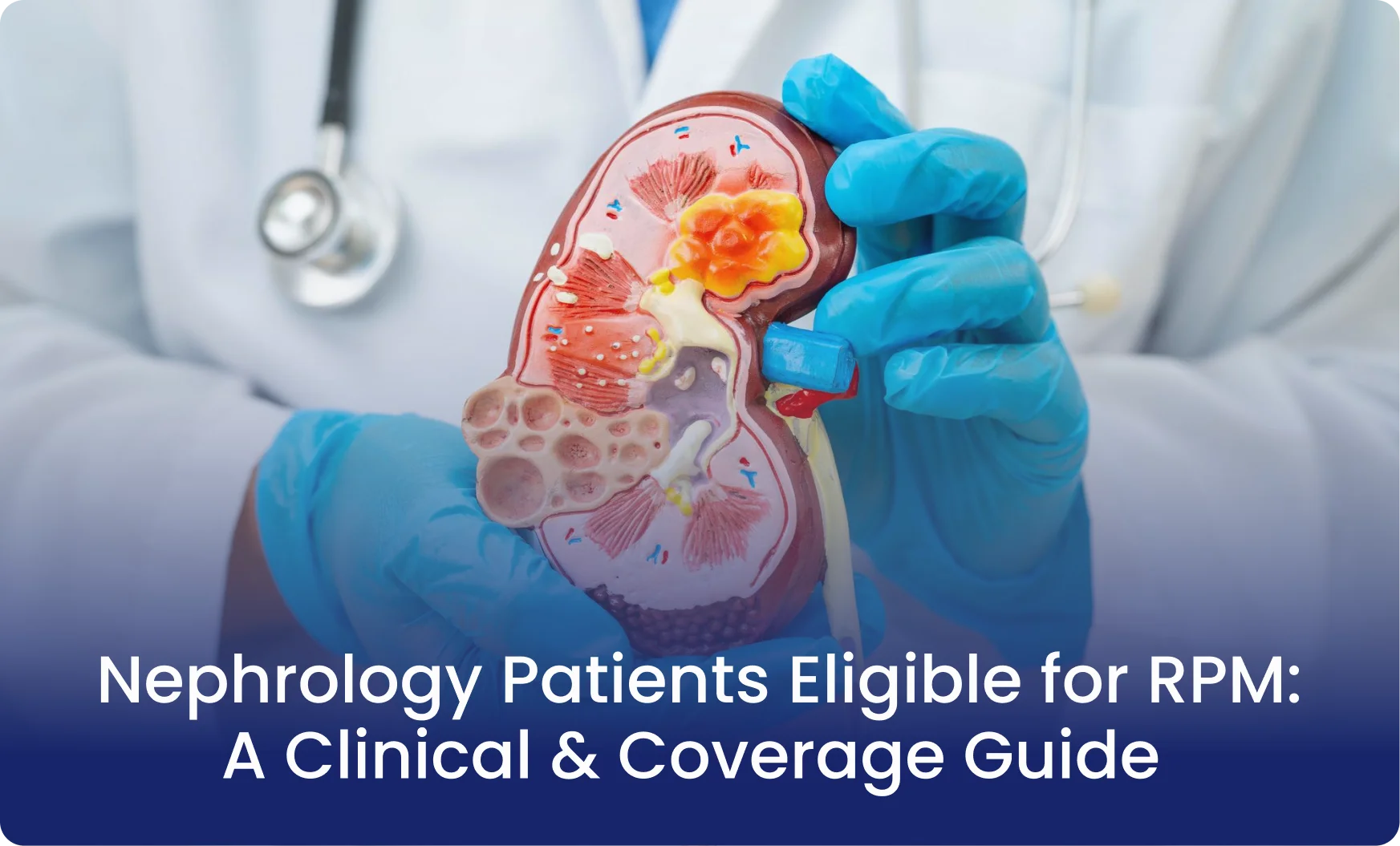
Kidney disease doesn’t wait for the next scheduled appointment and neither should your care program. The remote patient monitoring process has rapidly evolved into an
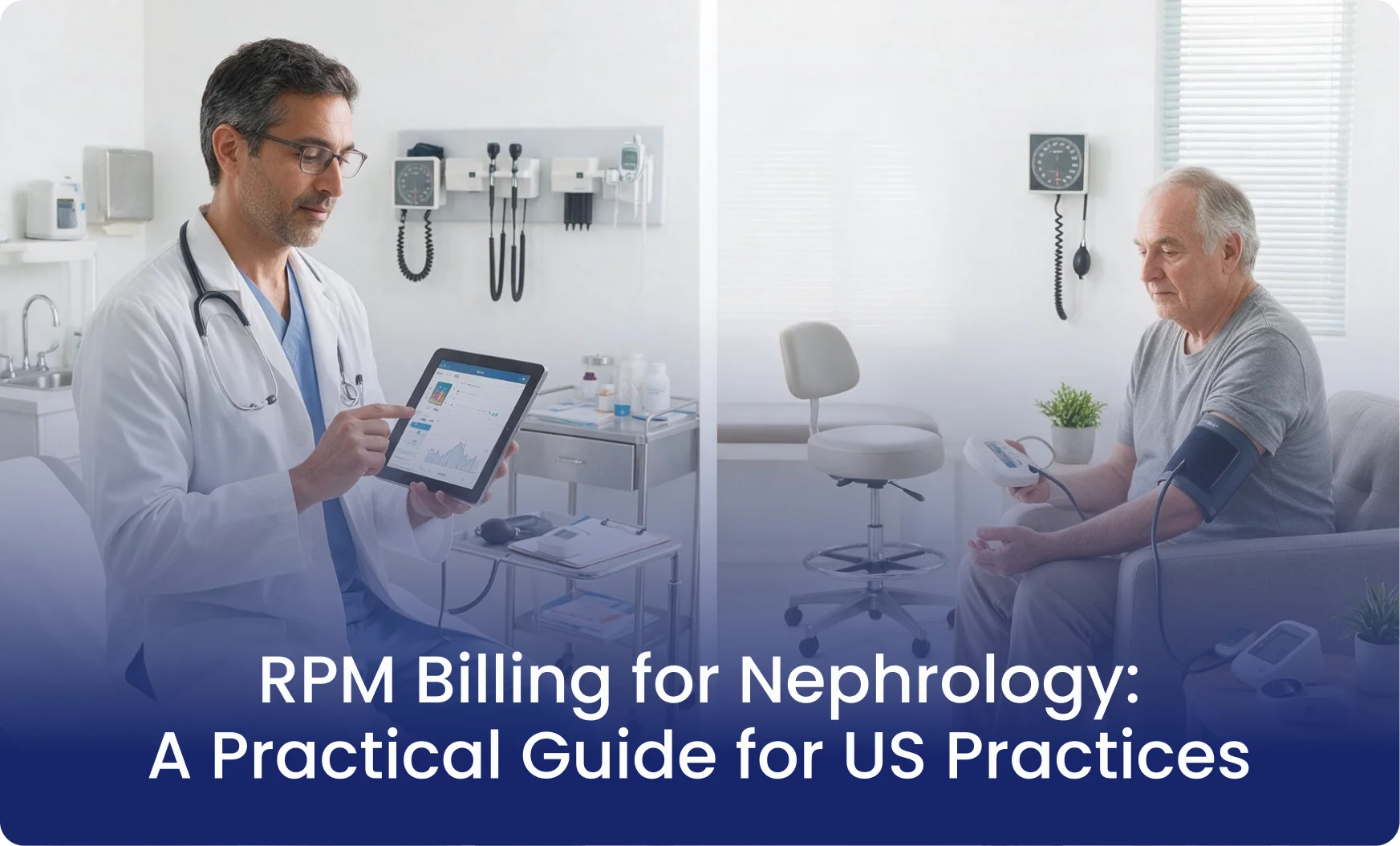
Nephrology practices sit in a unique spot when it comes to remote patient monitoring. Your patients often live with slowly progressing kidney disease that doesn’t
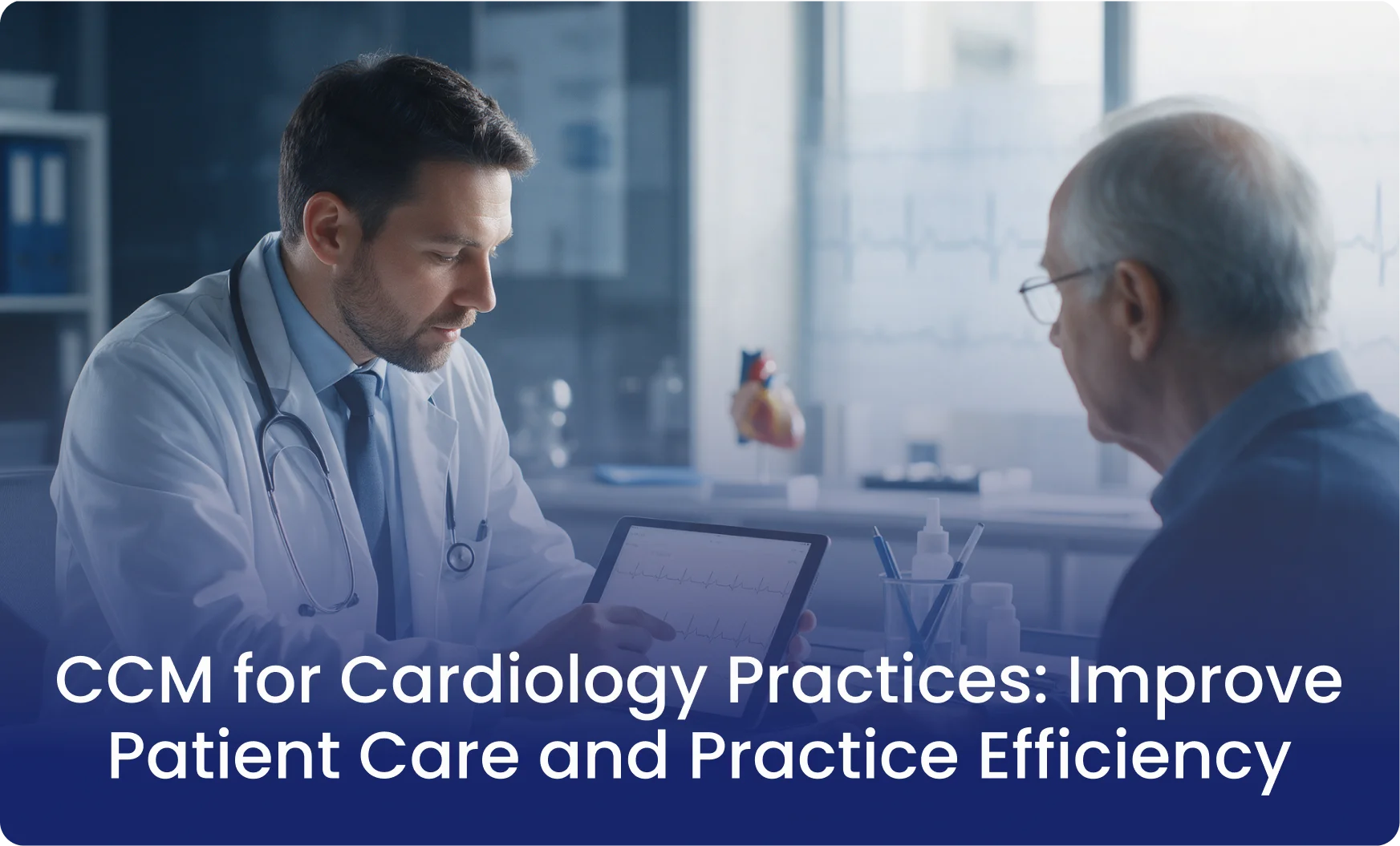
Cardiology care does not end when a patient leaves the exam room. Patients living with heart conditions often need regular support. Small concerns can quickly
One question keeps coming up if you have explored CCM for your practice: do you need to hire more people to make it work? It
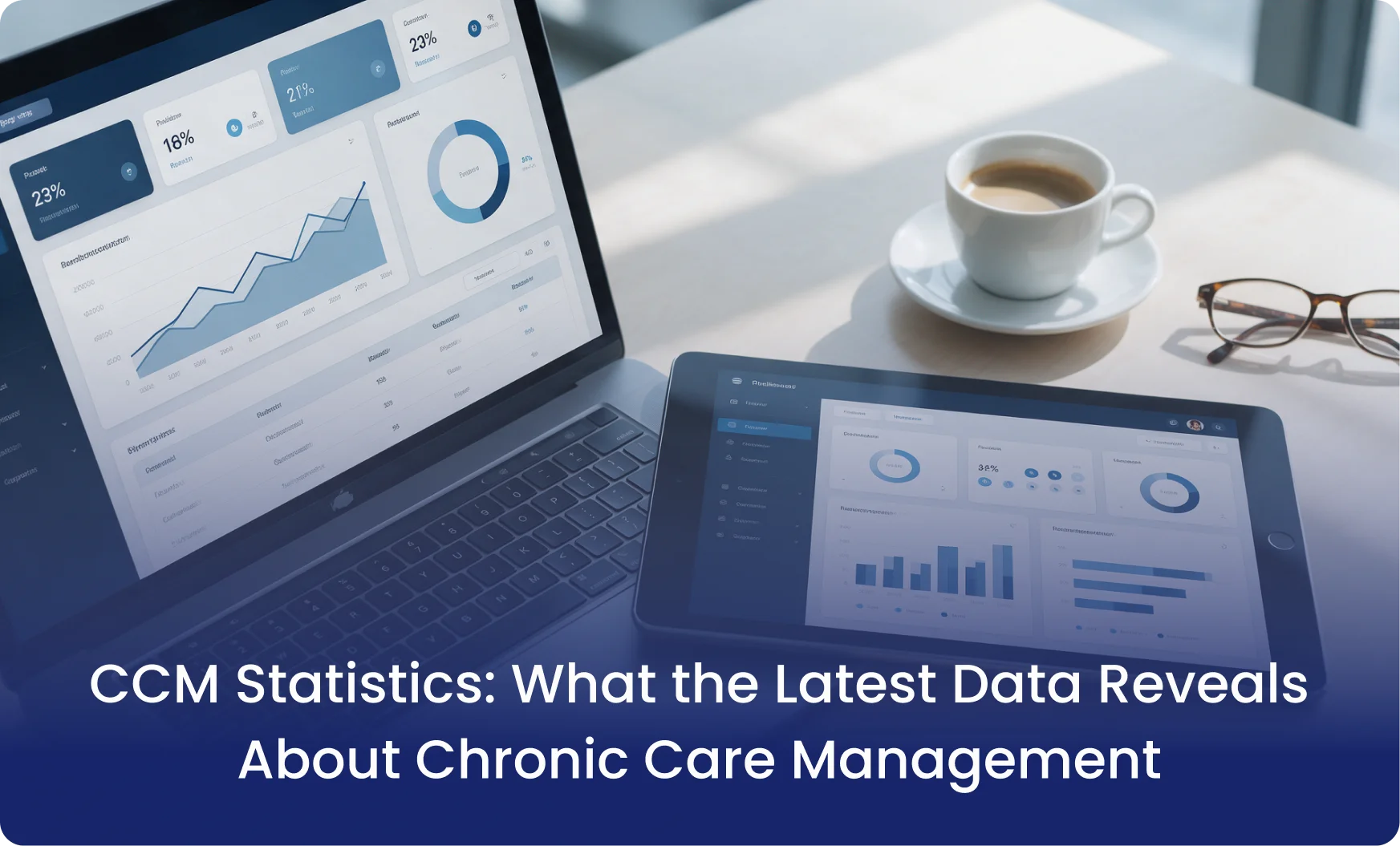
Most Medicare patients suffer from at least one chronic disease. In fact, between two-thirds and three-quarters of all beneficiaries have been found eligible for chronic

Running a chronic care management program can be a game-changer for both patient outcomes and practice revenue. Those benefits can disappear fast in the form
Starting a chronic care management program can feel overwhelming. The good news is that you don’t have to figure it out alone. Primary care and
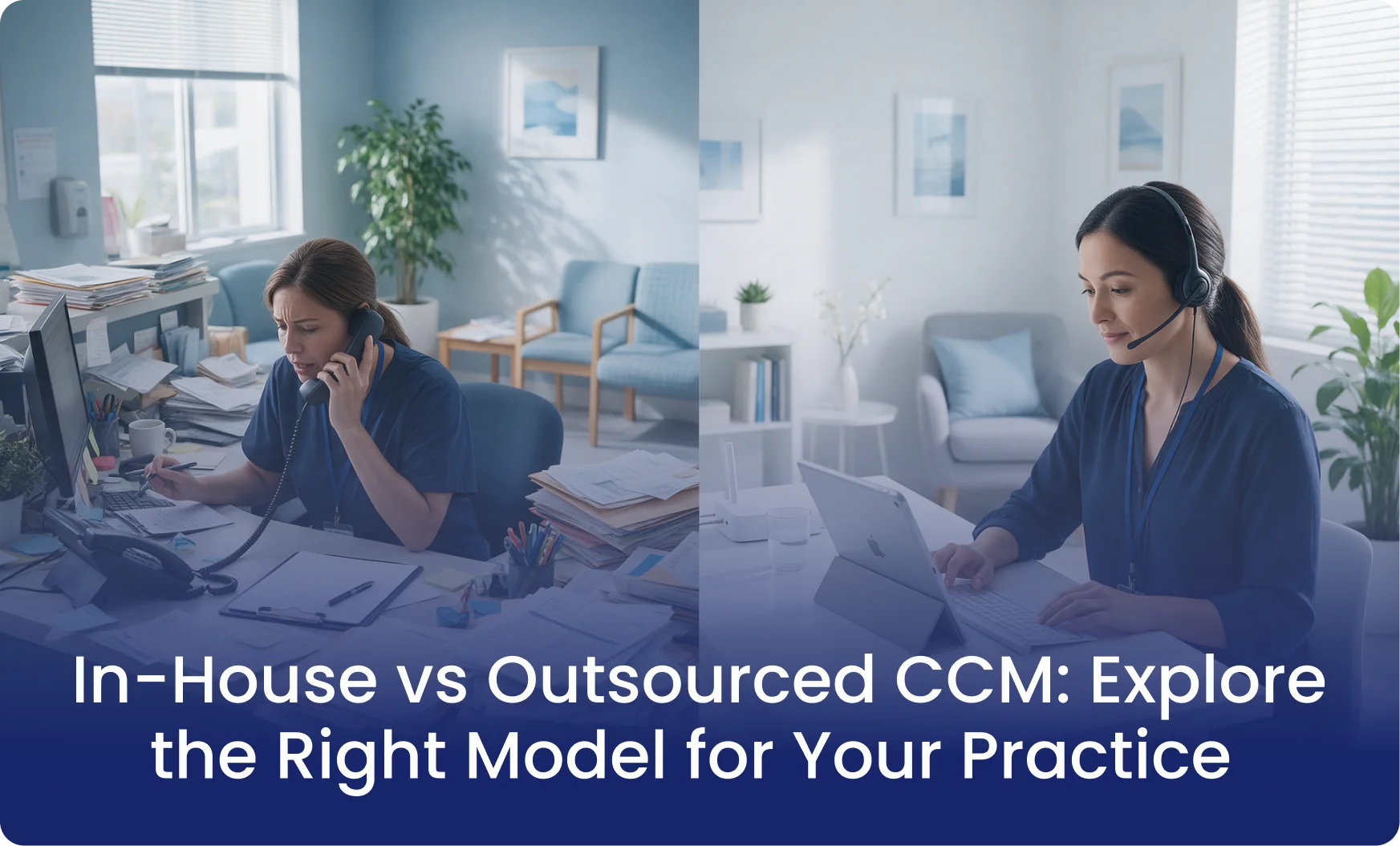
The majority of practices are already aware that managing chronic care can improve patients’ health in between visits and generate consistent Medicare revenue. But how
Figuring out whether a patient qualifies for chronic care management can feel confusing at first. Medicare’s rules are specific. But these rules leave room for
Most practices already know their Medicare patients with two or more chronic conditions need more support between visits. The harder part is turning that knowledge
Most practice owners ask the same question when considering Chronic Care Management: Is it really worth the extra work? CCM allows practices to bill Medicare
Chronic care involves improving the patients’ health who are struggling with chronic conditions. CMS allows providers to prepare a treatment plan and help these individuals

99495 CPT Code reflects patients who are moved from an in-facility to the community. Such individuals require moderately complex care even after discharge. In medical
Principal Care Management can give specialty and primary care practices a more structured way to support patients. But putting a PCM program into practice is
Not every patient with a chronic condition fits easily into chronic care management. Some have just one serious health issue that still demands close &
Running a medical practice today means dealing with tighter margins and heavier patient loads. In the middle of all that, Principal Care Management keeps coming
Principal Care Management is one of the fastest-growing revenue opportunities for medical practices in 2026. Yet many providers still overlook it. PCM offers a reliable

Managing a single serious chronic condition can feel just as stressful as dealing with several. Think about someone living with advanced heart failure or complicated