
Nephrology Patients Eligible for RPM: A Clinical & Coverage Guide
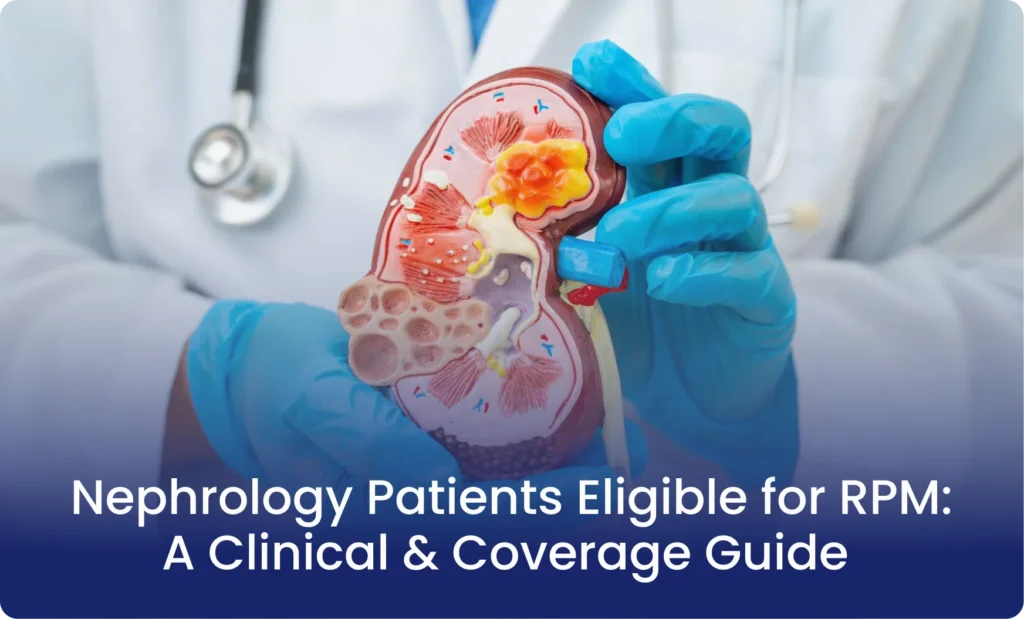
Kidney disease doesn’t wait for the next scheduled appointment and neither should your care program. The remote patient monitoring process has rapidly evolved into an integral component of chronic kidney disease management and post-dialysis treatment within nephrology practices throughout the US. However, all nephrology patients do not automatically become eligible for the remote patient monitoring […]
RPM Billing for Nephrology | A Practical Guide for US Practices
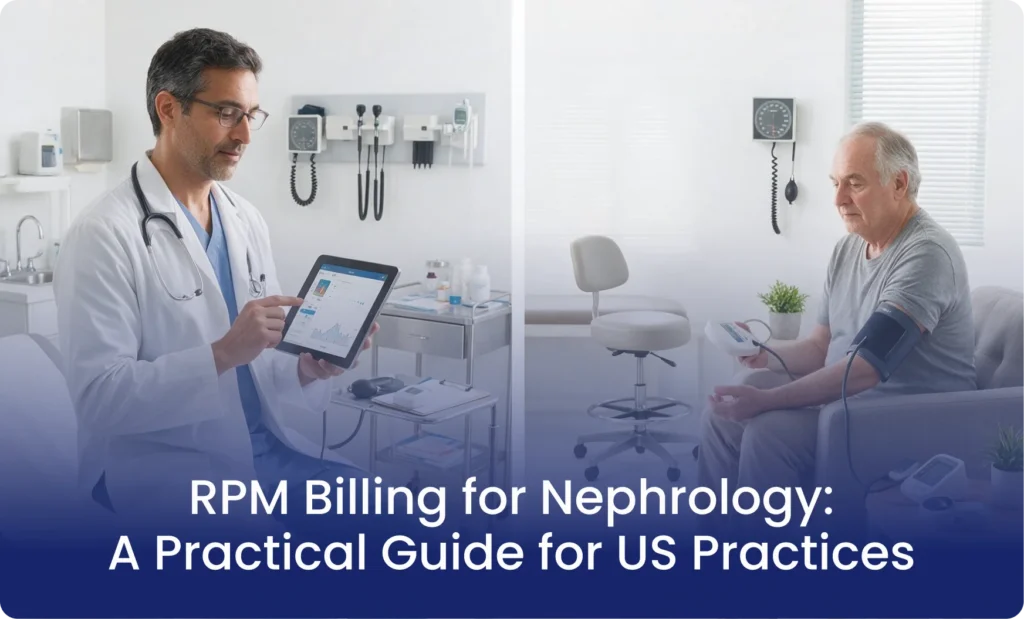
Nephrology practices sit in a unique spot when it comes to remote patient monitoring. Your patients often live with slowly progressing kidney disease that doesn’t stay controlled and fluid shifts that can get into trouble between office visits. Daily blood pressure and weight readings from home can catch those changes early. Yet the billing side […]
Is RPM Worth It for Cardiology? The Real ROI for Modern Practices
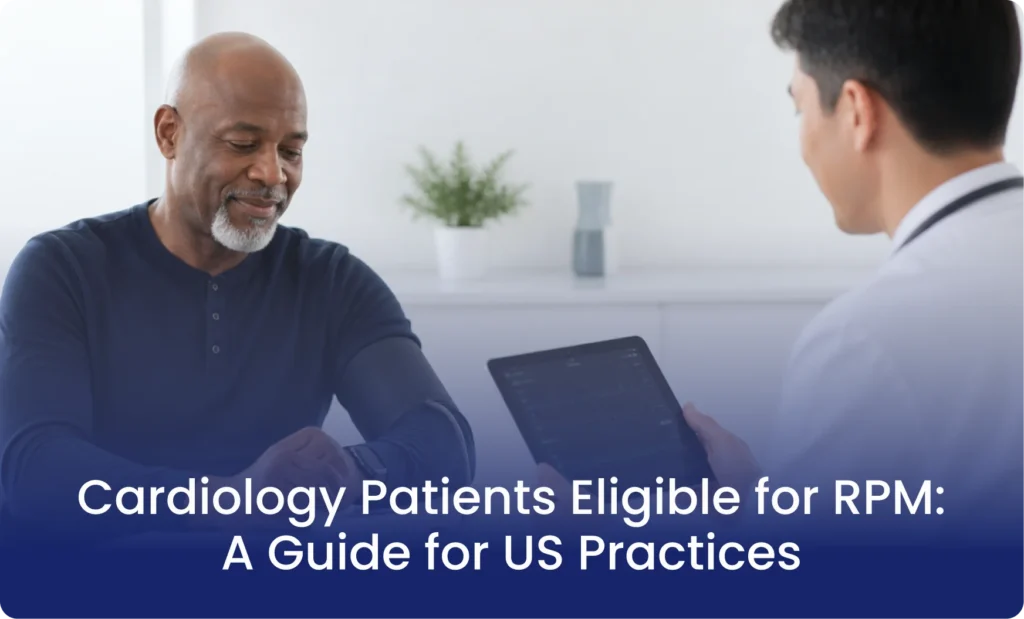
You have probably heard the phrase “remote patient monitoring is the future” if you run a cardiology practice. But between device costs, staff training, and billing headaches, the real question is whether it actually pays off for your team and your patients. The short answer is yes for many cardiology groups but only when the […]
Cardiology Patients Eligible for RPM: A Practical Eligibility Guide for US Practices

Heart disease remains one of the leading causes of hospitalization in the United States. That’s why keeping patients connected between office visits has become more important than ever. Remote patient monitoring gives cardiology practices a practical way to track patients’ health from home. It helps providers identify concerning trends before they turn into emergencies. If […]
Cardiology CPT Codes & Reimbursement Guide 2026
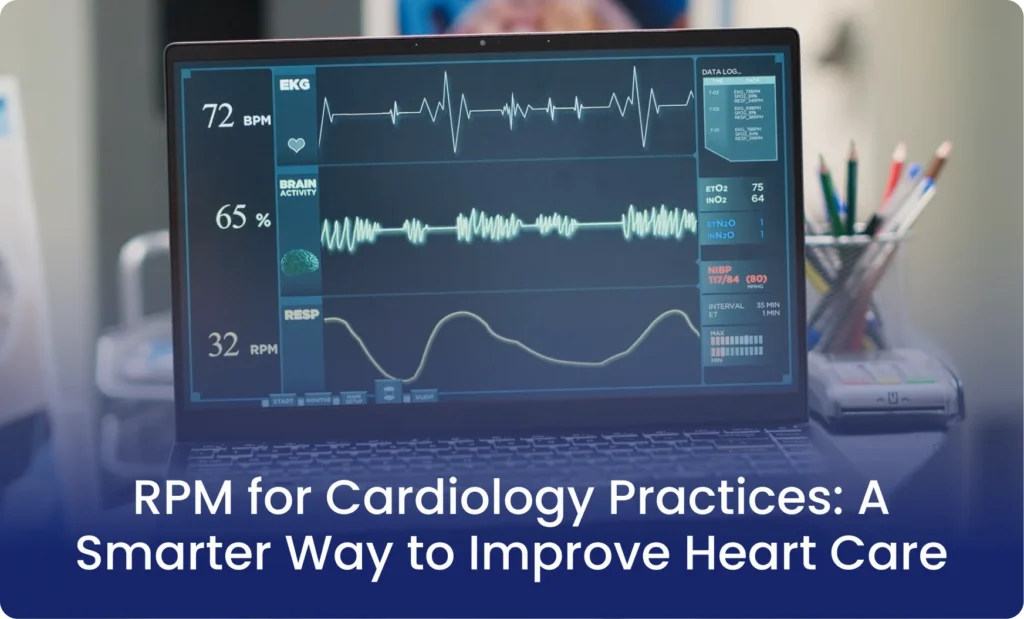
Cardiology is one of the strongest use cases for remote patient monitoring. However, the problem arises since a lot of providers fail to maximize their revenue potential due to the complex billing procedures. It is quite possible to get lost in chasing after denials due to CPT codes, documentation, and other payer-specific details. In this […]
RPM for Cardiology Practices | A Smarter Way to Improve Heart Care

Remote patient monitoring is quickly becoming a practical part of modern cardiology practices. Small changes in blood pressure or heart rate can indicate more serious issues for heart patients and identifying these changes early on can significantly improve care. A 2024 retrospective study published in the Journal of Medical Internet Research found that cardiology patients […]
RPM Compliance Requirements: What U.S. Providers Must Know in 2026
Remote patient monitoring has quietly become one of the most powerful tools in modern healthcare. The program lets clinicians stay connected with patients long after they leave the clinic or hospital. These programs expand rapidly across the United States. But one question keeps coming up: how do you actually stay compliant without slowing everything down? […]
Top 10 Remote Patient Monitoring Mistakes to Avoid
Remote patient monitoring has completely changed how healthcare providers care for patients outside the clinic walls. What started as a convenient option has quickly become an essential part of modern care. RPM programs are appearing all over the United States as a result of Medicare’s increased coverage and the growing number of patients who want […]
Remote Patient Monitoring Workflow: A Simple Guide
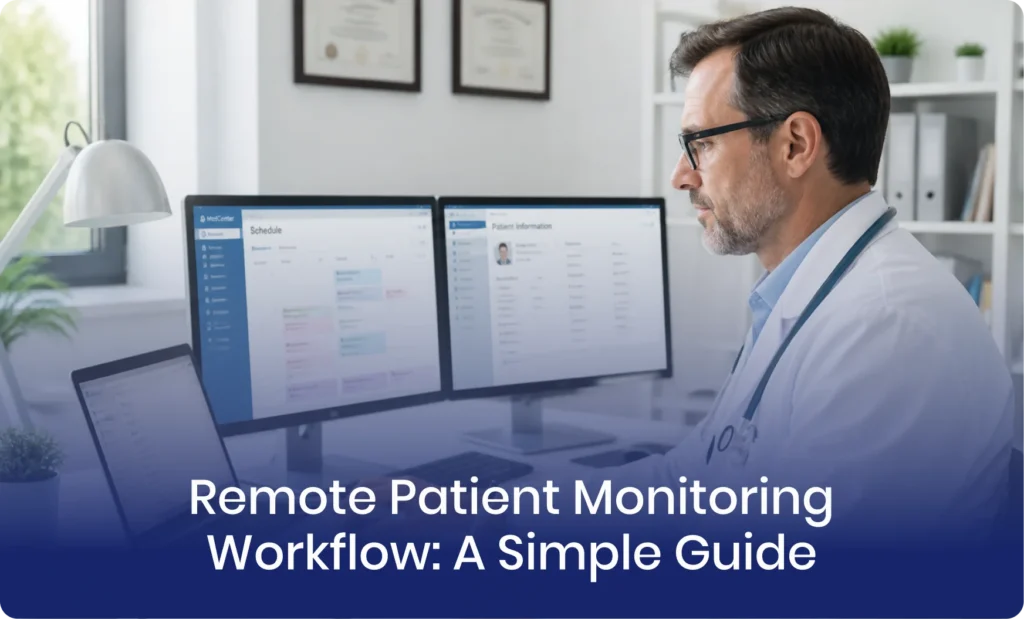
Remote patient monitoring can make healthcare feel more connected, but only when the workflow behind it is smooth. The data gets harder to manage and the patients lose interest if the setup is messy. It also affects clinics that end up spending more time fixing problems than improving care. That is why a clear remote […]
RPM Implementation Checklist for a Smooth Program Launch
Launching a remote patient monitoring program can feel complicated at first. But it becomes much easier when you have a clear plan in place. The right RPM setup is about building a workflow your team can actually follow, enrolling the right patients, and training staff properly. It is also about making sure your documentation and […]