
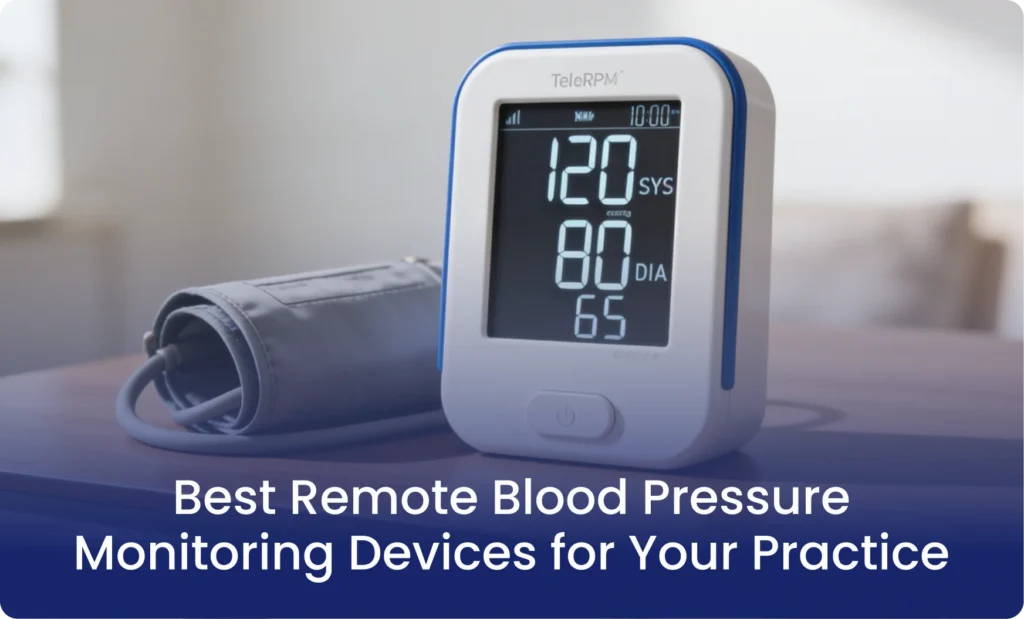
Hypertension is often called the silent killer. It affects more than 1.3 billion people in the world. A blood pressure reading taken monthly during a monthly clinic visit does not provide a complete picture. And regular monitoring is essential for long-term management.
A study projected that up to 30% of U.S. medical visits could be conducted remotely by the end of 2026. This projection relies on ongoing federal regulatory support. That is why it is safe to say that remote patient monitoring has become a standard approach.
Launching a successful RPM program requires a reliable platform and the right hardware. The blood pressure remote monitoring devices you choose directly impact data accuracy and patient adherence. MediRemote solves all problems for healthcare providers by providing the devices. We provide these devices to practices and healthcare providers.
How Remote Blood Pressure Monitoring Works
The beauty of modern remote monitoring is how straightforward it can be once you understand the process. We have designed our RPM program to fit smoothly into real patient care. Our devices help both patients and providers make better decisions.
Here is how it typically works:
1: Enroll
The team enrolls qualified patients during an initial visit or follow-up appointment when a clinic or practice joins the RPM program. The provider explains the monitoring plan and documents baseline vitals. The provider also sets target ranges and alert thresholds particular to the patient’s risk and treatment goals.
2: Provide Device at Visit
Providers hand the approved remote blood pressure monitor to the patient during that first clinical visit. Proper cuffing is demonstrated by a staff member. And the patients are instructed on how to perform a blood pressure reading and solve common issues during monitoring. The patients practice within the clinic to allow for verification of proper technique.
3: Connect and Save
The readings are then automatically sent from the device to the clinician’s dashboard through Bluetooth or cellular connection after the patient leaves. The system logs metadata which helps clinicians evaluate reading reliability and spot anomalies quickly.
4: Review and Act
Readings are analyzed by the clinicians in the intuitive portal and any readings that go out of range will be flagged together with any trends. This team can prioritize alerts and medication changes and also book appointments when necessary.
Practical tips for success
- Teach one correct measurement routine and reinforce it at follow-ups
- Use scheduled reminders and simple user guides
- Monitor trends instead of single readings
Types of Remote Blood Pressure Monitoring Devices
Not all blood pressure monitors are created equal. Selecting the appropriate one can mean the difference between consistent tracking and daily frustration. The good news is that today’s options have evolved to accommodate a variety of lifestyles and technological comfort levels.
Here’s a clear breakdown of the major types:
Cellular-Connected Monitors
Cellular devices transmit readings automatically over a cellular network. You simply take the measurement and the data heads straight to your provider’s secure platform. They are particularly helpful for older adults. These devices tend to deliver the highest compliance rates because they remove most of the barriers.
Bluetooth-Enabled Monitors
Bluetooth models pair with a smartphone app to send data. They are smaller in size and less expensive than cell phones. Therefore, this is one of the best choices for tech-educated patients who monitor themselves using their phone.
Wi-Fi Connected Monitors
This type of device connects directly to your home Wi-Fi and sends readings without the need for a phone as an intermediary. The advantage of Wi-Fi-connected monitors is that it provides you with automatic transmission capability.
Upper Arm vs. Wrist Monitors for Remote Use
However, most professionals prefer upper arm cuffs due to their higher accuracy. The cuff is less prone to position sensitivity and provides an accurate reading.
Despite being portable, wrist monitors have evolved, making them better at giving accurate readings. Nevertheless, wrist monitors need to be correctly positioned to provide accurate results.
Who Should Use Remote Blood Pressure Monitoring Devices?
Remote blood pressure monitoring device is a good choice for individuals requiring regular monitoring beyond what a periodic check-up offers. This is particularly important when the blood pressure is variable or when the individual requires close observation in terms of medications. It is also recommended when the medical staff requires more accurate information prior to modifying medication.
The following is a quick breakdown of who should be using remote blood pressure monitors:
- Patients Suffering from Hypertension/High Blood Pressure
- Hypertensive Patients with White-Coat Syndrome
- Senior Citizens and the Elderly
- People Suffering from Heart Disease, Diabetes or Kidney Problems
- Recent Surgery or Hospitalization Victims
- Busy Professionals or Those with Limited Clinic Access
- Healthcare Providers and Practices
Key Features to Look for in a Blood Pressure Monitor
Choosing a blood pressure monitor for remote use can feel confusing with so many options on the market. The ideal device should deliver clinical-grade accuracy and securely transmit health data for ongoing care. Here is what actually matters when you are evaluating Remote BP Monitors.
Accuracy and clinical validation
The first thing to look for in a remote patient monitoring blood pressure monitor is accuracy. A good monitor should be clinically validated and consistent across repeated measurements. The accuracy is very important when it is used in an RPM program where providers depend on the data to make decisions.
Cuff fit and comfort
Cuff size matters more than many people realize. A cuff that is too small or too large can affect the reading and make the patient uncomfortable. Choose a monitor that offers different cuff sizes and is easy for patients to put on correctly during their first clinical visit.
Ease of use
The best monitors are the ones patients actually enjoy using. Clear displays and voice prompts can significantly improve daily compliance. Patients are more likely to take readings regularly and adhere to their treatment plan if the device is simple to use.
Data transmission options
The device should send readings to the provider without friction. Some monitors use Bluetooth and connect through a smartphone app. Others use cellular connectivity and upload data automatically. The best choice depends on the practice workflow and the patient’s comfort with technology.
Integration with provider workflows
A strong remote blood pressure monitor should fit into the clinic’s RPM setup without creating extra manual work. Devices that integrate smoothly with dashboards or electronic records make it easier for staff to review trends and respond to alerts.
Memory and tracking features
Built-in memory and trend tracking help both patients and providers understand what is happening over time. These features make it easier to spot patterns. These details can be more valuable than a single isolated number.
Support and reliability
It is also worth considering the manufacturer’s support and warranty. A monitor may look good on paper. But it should also hold up in daily use and be supported if something goes wrong. Dependable devices reduce frustration for both patients and care teams.
Benefits for Patients and Healthcare Providers
The best thing about remote blood pressure monitoring is how it creates real wins for everyone involved. It changes the daily experience of managing hypertension and the way care teams support their patients. Here is an honest look at the benefits of remote blood pressure monitoring:
Benefits for Patients
- Greater peace of mind and control
- Reduces the number of in-person appointments required for stable patients
- Home readings tend to reflect real life better than single measurements taken in a busy clinic
- Early support when something changes
- Better long-term hypertension management
Benefits for Healthcare Providers and Practices
- Providers gain access to trends and patterns instead of isolated readings
- Improved patient engagement and adherence
- More efficient use of time
- Structured RPM programs can support appropriate billing for chronic care management
- Practices using these tools often report better hypertension control rates, reduced hospital readmissions
Conclusion
Remote blood pressure monitoring devices have quietly become one of the most practical advancements in everyday hypertension care. They bridge the gap between doctor visits and reduce unnecessary stress. It gives both patients and providers the kind of ongoing information that actually leads to better health decisions.
At MediRemote, we provide remote blood pressure devices that work for a wide range of patients and workflows that help providers deliver better care without adding complexity.
Feel free to reach out to the MediRemote team or talk with your healthcare provider about whether this approach could be a good fit for you.
Frequently Asked Questions
Is a remote blood pressure monitor accurate?
Yes. Many remote blood pressure monitors are accurate when they are clinically validated and used correctly. The patient also needs the right cuff size and proper technique for the reading to be trustworthy.
Should patients rest before taking a reading?
Yes. They should sit quietly for a few minutes before measuring. This helps reduce the impact of movement or recent activity on the reading.
Why do providers prefer home readings?
Home readings often reflect a patient’s normal environment better than a single clinic result. They can help providers make smarter decisions about treatment and follow-up.
What if the device stops working?
Good programs have support in place. Your provider can usually troubleshoot or replace it quickly.
Are wrist monitors as good as upper arm ones?
Upper arm monitors are generally more accurate for clinical decisions. Wrist ones can work well for quick checks but usually aren’t the first choice for ongoing remote monitoring.