
Is RPM Worth It for Internal Medicine?
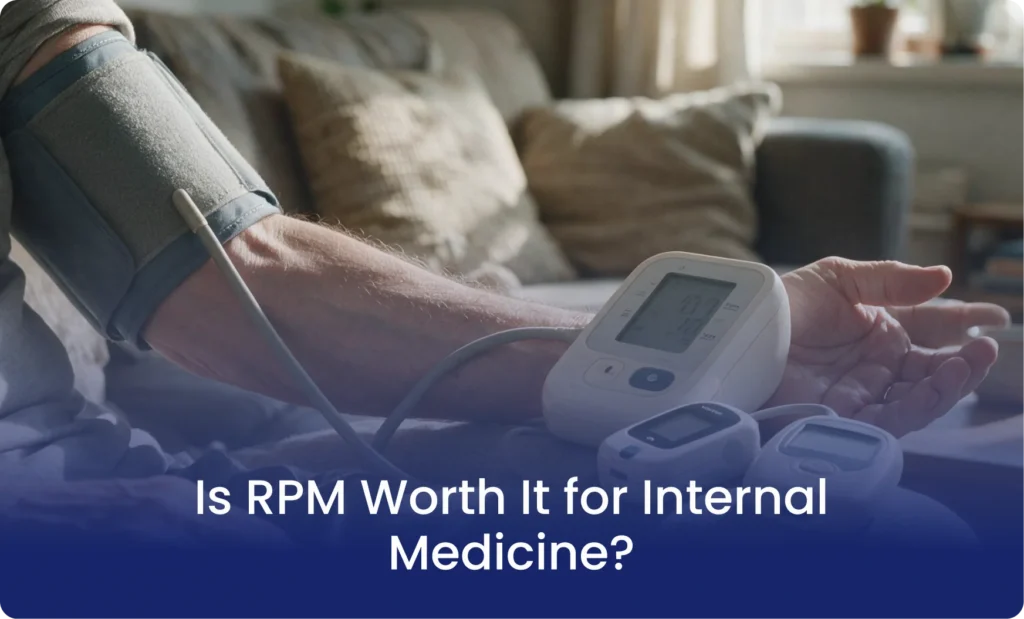
Internal medicine practices carry a heavy load of chronic conditions. Patients leave the office with a plan. But what happens in the weeks between visits often decides whether that plan sticks or falls apart. Remote patient monitoring helps close that gap by allowing practices to track important health data between visits. But does adding another […]
Internal Medicine Patients Eligible for RPM: Who Qualifies?

Internal medicine practices deal with patients struggling with multiple chronic conditions that fail to stay controlled. The traditional model of seeing someone every few months leaves a lot of blank space. That is where remote patient monitoring steps in. RPM lets clinicians collect physiologic data from a patient’s home using simple cellular devices. The information […]
RPM Billing for Internal Medicine: A Practical Guide for Busy Practices
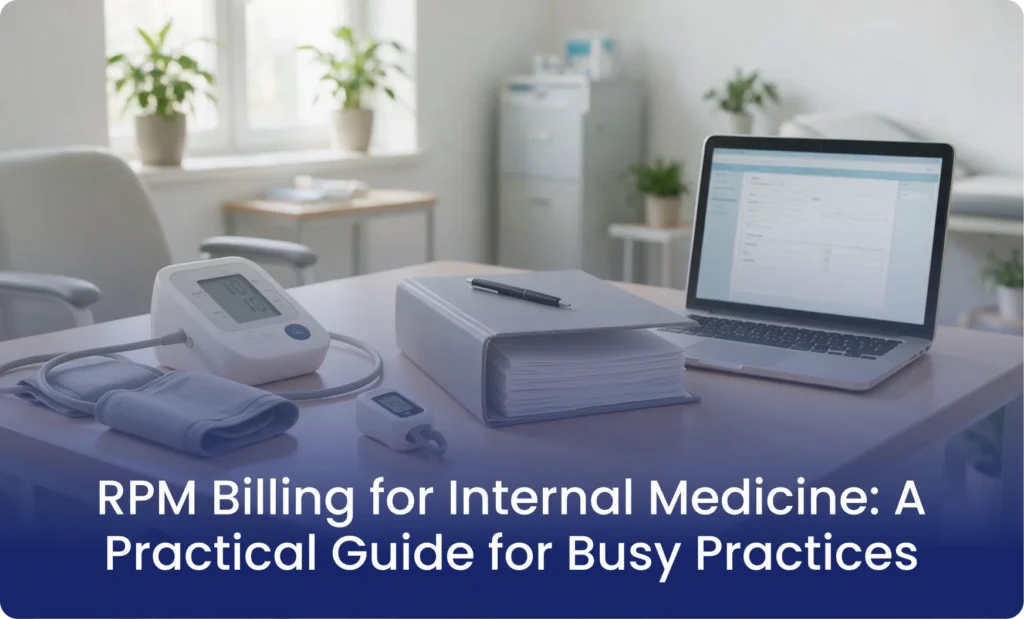
Internal medicine practices sit in a unique spot. Your patient panels are packed with the exact chronic conditions that Remote Patient Monitoring was built for. Yet a lot of practices still leave that revenue on the table because the billing rules feel complicated and the documentation load is heavy. The good news is that 2026 […]
RPM for Internal Medicine Practices: Better Chronic Care Between Visits

Internal medicine practices are under constant pressure to do more with less. Internal medicine practices spend most of their days managing patients with long-term conditions that never really take a day off. A blood pressure check every three or four months or a single weight reading during an office visit only tells part of the […]
Is RPM Worth It for Pulmonology? Real Benefits for Patients and Practices

If you are a pulmonologist considering the pros and cons of remote patient monitoring, you are not the only one. With COPD and asthma affecting millions of Americans, many lung specialists are asking, is RPM worth it for pulmonology practices? The short answer is yes. Studies tracking COPD patients on RPM have shown drops in […]
Pulmonology Patients Eligible for RPM: A Practical Guide for Providers
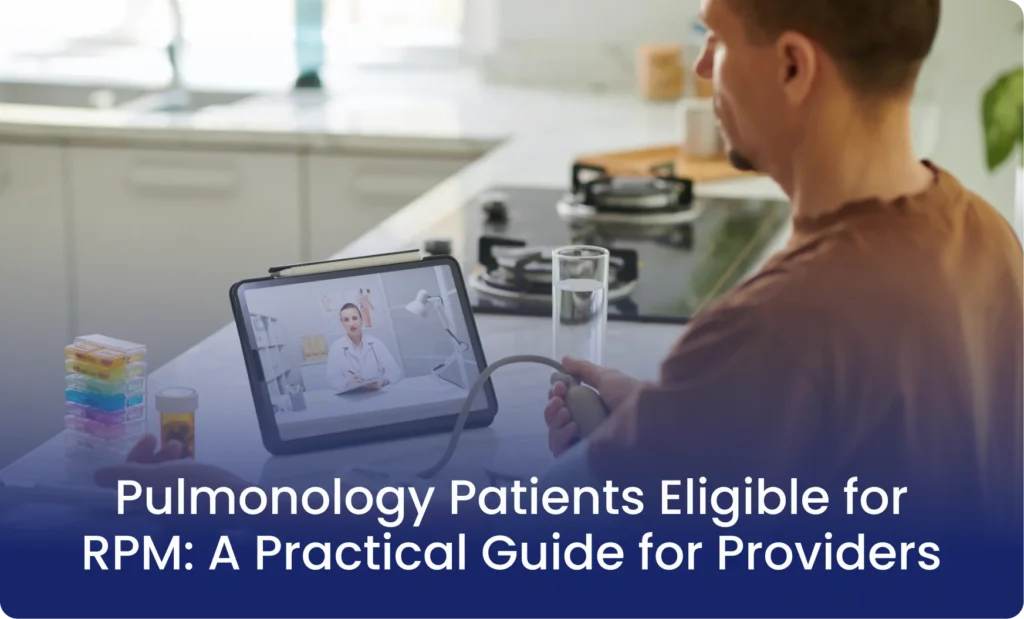
The first step in expanding remote patient monitoring services for a pulmonology practice is determining which patients are eligible. Chronic respiratory conditions like COPD and pulmonary fibrosis often require ongoing monitoring. RPM offers a way to track symptoms, oxygen levels and medication adherence from home. The real question most practices ask is practical: which of […]
RPM Billing for Pulmonology: CPT Codes, Requirements & Reimbursement

Pulmonology practices see the same pattern every week. COPD and asthma patients leave the office stable. But they then come back weeks later in flare-up mode because no one caught the slow drop in oxygen or the rising symptom load at home. Office visits alone can’t close that gap. That is where remote patient monitoring […]
RPM for Pulmonology Practices: Improving Respiratory Care Beyond the Clinic
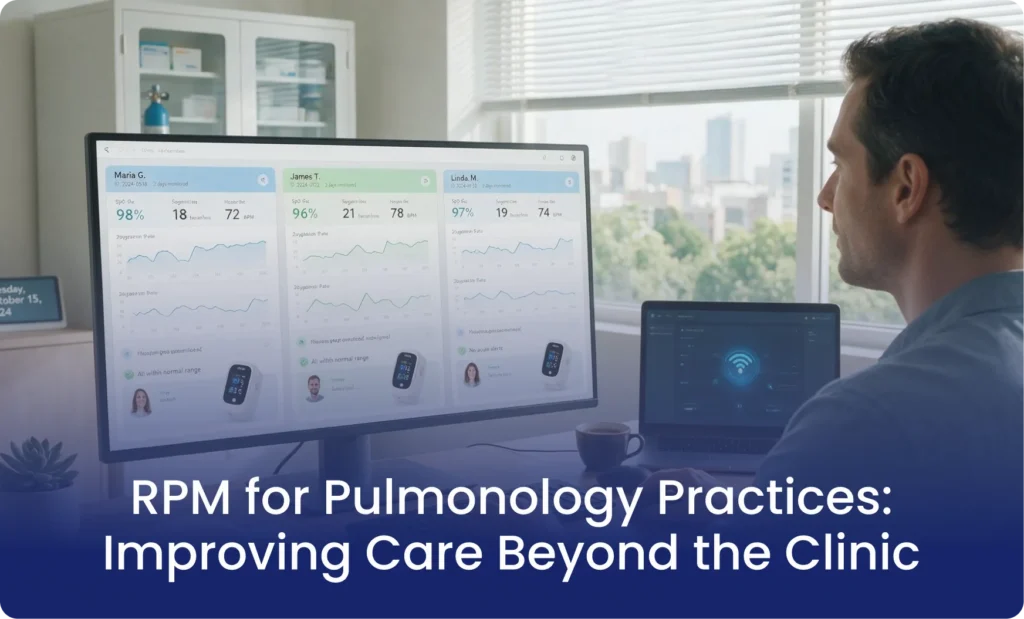
Pulmonology practices deal with a tough reality every day. Patients with COPD and other chronic respiratory conditions can go from stable to struggling in a matter of hours. Complete treatment requires more than an occasional office visit. Between appointments, breathing problems can gradually worsen and may eventually require an ER visit or hospital stay. Nearly […]
How endocrinology practices bill RPM and get reimbursed.
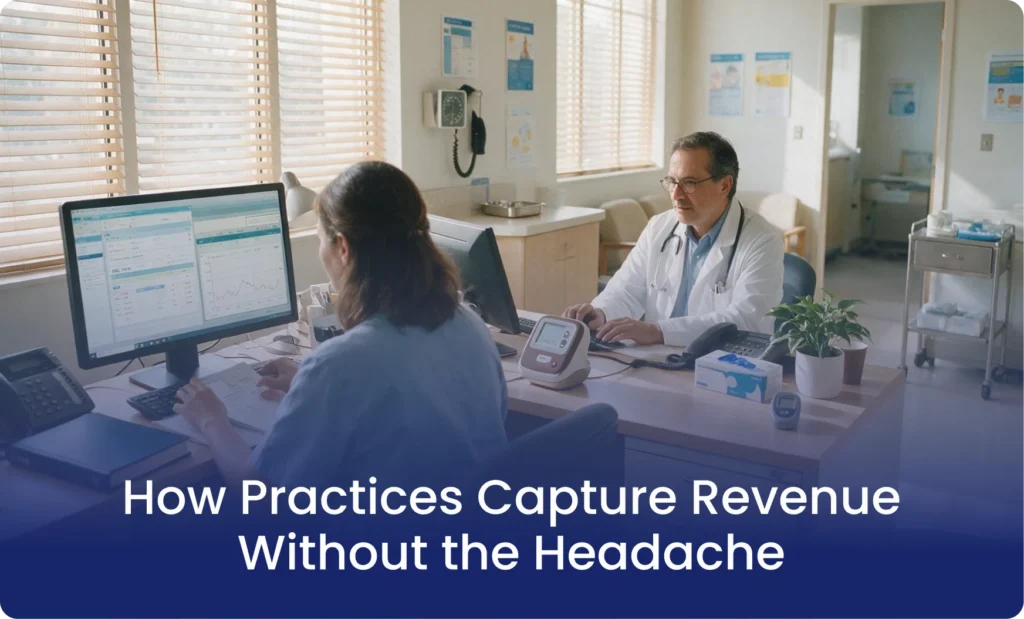
Endocrinology practices live in a different billing world than most specialties. Diabetes alone brings continuous glucose monitors, home blood pressure cuffs and a steady stream of data that never stops. The clinical value is that patients stay healthier when someone is watching those numbers between visits. The financial side is where things get messy. Many […]
How endocrinology practices use and implement RPM to improve patient care and workflow.
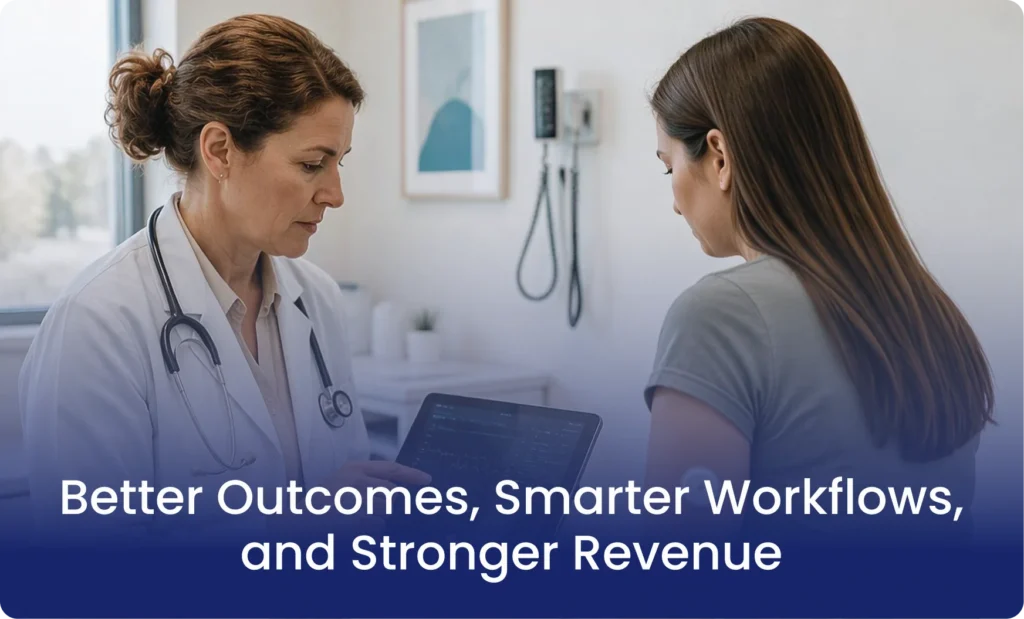
Endocrinology practices are under more pressure than ever. Diabetes is becoming more common, there is a real shortage of specialists, and patients want treatment that works with their schedules. At the same time, audits are more frequent, reimbursement regulations are stricter, and each visit must be considered both financially and clinically. That’s where remote patient […]