
Introduction
The COVID-19 pandemic significantly changed how healthcare is delivered, accelerating the adoption of telehealth and Remote Patient Monitoring (RPM) across the healthcare industry. As hospitals and clinics faced overcrowding, lockdowns, and infection-control challenges, healthcare providers needed safer and more accessible ways to care for patients without requiring every visit to take place in person.
Telehealth consultations, connected medical devices, and remote care platforms quickly became essential tools for maintaining continuity of care. What initially served as an emergency response has since helped shape a more flexible, technology-driven healthcare environment.
Today, telehealth and remote patient monitoring play important roles in chronic disease management, post-discharge follow-ups, preventive care, and ongoing patient engagement. Understanding how COVID-19 influenced these technologies can help healthcare organizations prepare for the future of virtual care.
1. COVID-19 Accelerated Telehealth Adoption
Before the pandemic, telehealth adoption faced several barriers, including reimbursement restrictions, limited patient awareness, regulatory requirements, and concerns about technology integration. Many providers continued to rely primarily on traditional in-person appointments.
The pandemic changed these priorities almost overnight. Healthcare organizations adopted video consultations, telephone appointments, and secure digital communication tools to continue treating patients while minimizing unnecessary physical contact.
Telehealth became particularly valuable for routine follow-ups, medication reviews, behavioral health consultations, and managing stable chronic conditions.
This rapid adoption also encouraged healthcare providers to invest in digital infrastructure, staff training, and patient-friendly virtual care workflows. Although telehealth usage patterns have evolved since the emergency phase of the pandemic, virtual consultations remain an important option for appropriate healthcare services.
2. Remote Patient Monitoring Became More Important
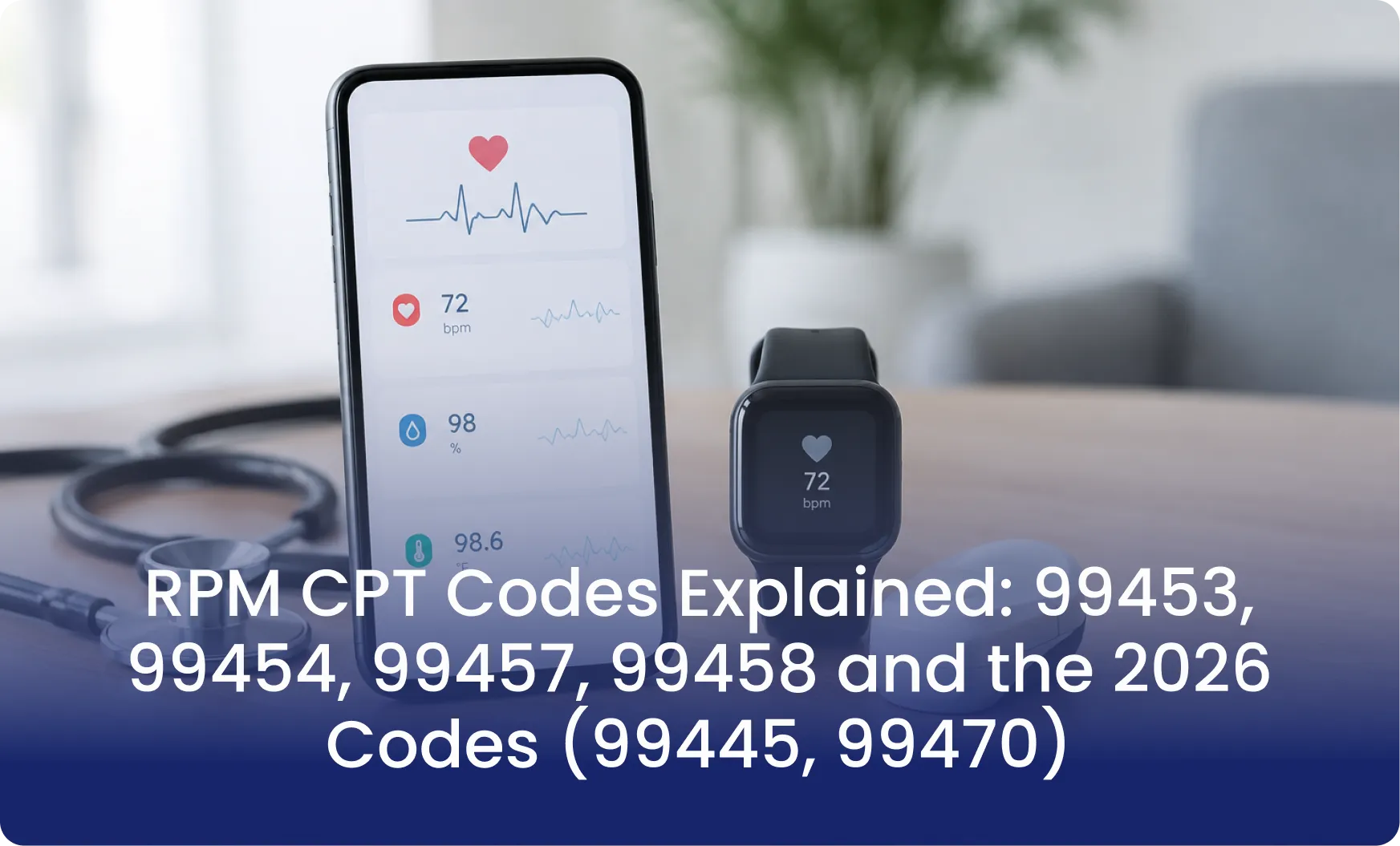
Remote Patient Monitoring enables healthcare providers to collect health information from patients outside traditional clinical settings. Using connected medical devices, patients can share measurements such as blood pressure, blood glucose, heart rate, oxygen saturation, and body weight with their care teams.
During COVID-19, RPM became particularly useful for monitoring selected patients with respiratory symptoms and chronic conditions who could be safely managed at home under appropriate clinical supervision.
For example, pulse oximeters helped monitor oxygen saturation in certain patients with COVID-19, while blood pressure monitors and glucose meters supported ongoing chronic disease management.
Remote monitoring can help care teams identify concerning changes earlier, prioritize follow-up, and make informed decisions about whether a patient needs additional evaluation.
However, RPM is not a substitute for emergency care. Device readings must be interpreted alongside symptoms, clinical history, and appropriate escalation protocols.
3. Telehealth and RPM Improved Access to Healthcare
One of the most important lessons from the pandemic was that healthcare access does not always have to depend on physical proximity to a clinic.
Telehealth allows patients to consult healthcare professionals from home, reducing travel requirements and making follow-up care more convenient. This can be particularly beneficial for people in rural communities, older adults with mobility limitations, and patients who have difficulty attending frequent appointments.
Remote Patient Monitoring extends this approach by allowing eligible patients to share health measurements between consultations.
When combined, telehealth and RPM create a more continuous model of care. Providers can conduct virtual consultations, review remote measurements, and adjust care plans based on a patient’s condition and clinical needs.
Nevertheless, access remains unequal. Reliable internet, suitable devices, digital literacy, language accessibility, and affordability can affect whether patients benefit from virtual care. Healthcare organizations should account for these barriers when designing remote care programs.
4. Chronic Disease Management Shifted Toward Continuous Care
The pandemic disrupted routine appointments and preventive services for many patients with chronic conditions, including hypertension, diabetes, cardiovascular disease, and chronic respiratory illnesses.
Telehealth and RPM offered alternative ways to maintain contact with patients when in-person visits were difficult or undesirable.
For example:
- Hypertension: Patients can submit home blood pressure readings for clinical review.
- Diabetes: Glucose measurements can support ongoing monitoring and treatment discussions.
- Cardiovascular conditions: Weight, blood pressure, and other appropriate measurements can help clinicians monitor selected patients for changes that require follow-up.
- Chronic respiratory conditions: Oxygen saturation and symptom tracking may support care when clinically appropriate.
These approaches can make chronic care more proactive by providing information between scheduled appointments. However, better outcomes are not automatic. Programs need reliable workflows, patient education, timely clinical review, and clear escalation procedures.
5. Healthcare Providers Invested in Digital Health Infrastructure
COVID-19 highlighted the importance of having technology that supports care beyond the walls of a healthcare facility.
Many organizations expanded their use of electronic health records, patient portals, video consultation platforms, connected medical devices, and remote care management software.
As adoption increased, providers also recognized the importance of integrating these technologies into existing clinical workflows.
Effective remote care infrastructure should help healthcare teams:
- Collect and organize patient health data.
- Review measurements and identify clinically significant changes.
- Document interactions and follow-up activities.
- Coordinate communication among care team members.
- Protect sensitive patient information.
- Integrate relevant data with electronic health record systems.
The objective is not simply to introduce more technology. It is to make remote care practical, secure, and manageable for clinicians and patients alike.
6. The Pandemic Exposed Challenges in Telehealth and RPM
Although COVID-19 accelerated digital healthcare adoption, it also revealed challenges that organizations must address to maintain effective remote care programs.
Technology and interoperability
Disconnected systems can create fragmented patient information and additional administrative work. Integration between RPM platforms, telehealth tools, and electronic health records can help improve information flow and reduce duplication.
Patient engagement
Some patients may struggle with device setup, mobile applications, internet access, or understanding what their readings mean. Clear instructions, accessible technical support, and regular communication can improve participation.
Data privacy and security
Remote care involves transmitting and storing sensitive health information. Providers must implement appropriate access controls, secure communication, risk management, and compliance measures relevant to their operations.
Clinical workload and alert fatigue
Remote monitoring may generate large volumes of patient measurements and alerts. Without sensible thresholds, triage protocols, and staffing plans, clinicians can become overwhelmed. Programs should prioritize clinically meaningful alerts and define who is responsible for reviewing and responding to them.
Reimbursement and regulatory requirements
Coverage, documentation rules, patient eligibility, and reimbursement requirements can vary by payer, service, and jurisdiction. Healthcare organizations should verify current requirements before launching or expanding telehealth and RPM services.
Addressing these challenges is essential for turning pandemic-driven adoption into sustainable virtual care.
7. The Role of Remote Patient Monitoring Companies
Remote Patient Monitoring companies help healthcare organizations implement and manage technology-enabled care outside traditional clinical settings. Depending on the service model, they may provide connected devices, monitoring platforms, patient onboarding, technical support, data workflows, and clinical coordination.
For healthcare providers, choosing an appropriate RPM partner involves more than comparing software features. Organizations should assess device reliability, integration capabilities, data security, patient support, reporting functionality, scalability, and the operational responsibilities included in the service.
Some providers also combine RPM with Chronic Care Management (CCM) and Principal Care Management (PCM). These programs address different care needs and may complement one another when patients meet the relevant clinical and program requirements.
A coordinated approach can help providers maintain contact with eligible patients, support chronic disease management, and organize follow-up activities. The specific benefits depend on program design, staffing, patient participation, and the quality of implementation.
8. How Telehealth and RPM Are Evolving After COVID-19
The future of virtual care is moving beyond emergency remote consultations toward more integrated, patient-centered healthcare delivery.
Several developments are shaping this transition:
Connected medical devices: More accessible devices are making it easier to collect health measurements outside clinical settings.
Artificial intelligence and analytics: Data analysis tools can help organize information and identify patterns, although clinical decisions require appropriate oversight and validation.
EHR integration: Better connections between remote monitoring platforms and clinical records can help reduce fragmented workflows.
Personalized care plans: Providers can tailor monitoring frequency, communication, and follow-up to individual patient needs.
Hybrid healthcare models: Combining in-person appointments, telehealth consultations, and remote monitoring allows providers to select the most appropriate care setting for each situation.
Integrated care management: RPM, CCM, and PCM may work together within a broader care strategy when clinically appropriate and permitted under applicable program rules.
The long-term opportunity is to make remote care an effective part of routine healthcare rather than a temporary response to a public health emergency.
Conclusion
COVID-19 transformed the telehealth and Remote Patient Monitoring landscape by accelerating digital health adoption, expanding access to virtual consultations, and demonstrating the value of monitoring patients outside traditional healthcare facilities.
The pandemic also exposed important challenges involving technology integration, patient engagement, privacy, clinical workloads, and reimbursement. These lessons remain relevant as healthcare organizations continue developing sustainable virtual care models.
For providers seeking to improve continuity of care, telehealth and RPM can offer practical ways to maintain communication, collect relevant health information, and support patients with ongoing medical needs. Success depends on choosing suitable technology, building efficient clinical workflows, protecting patient data, and keeping patient safety at the center of every decision.
As healthcare continues to evolve, remote monitoring and virtual consultations are likely to remain important components of a more connected and flexible healthcare system.