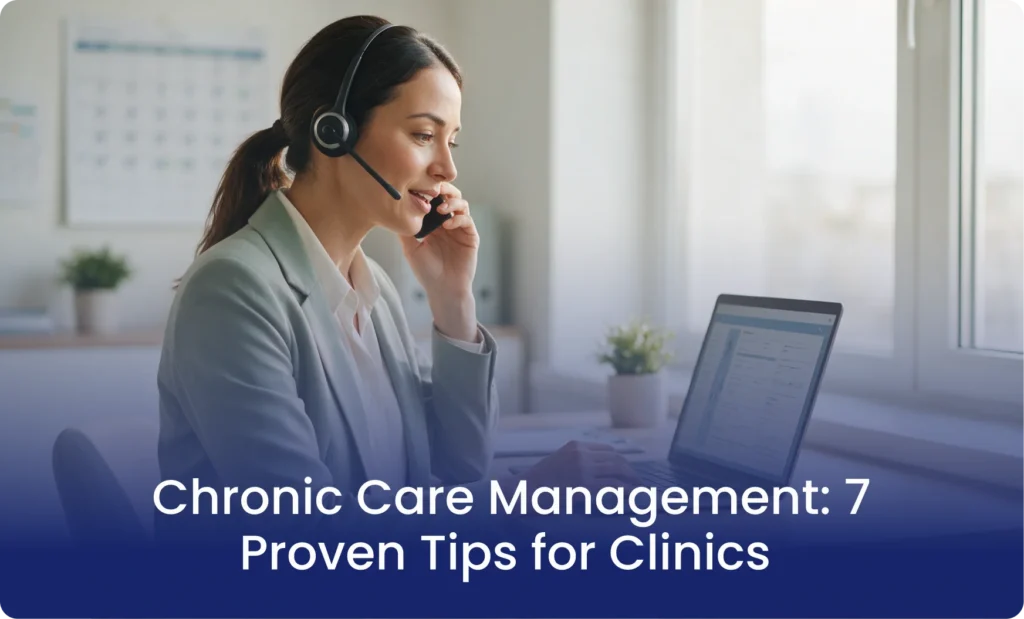
Chronic care involves improving the patients’ health who are struggling with chronic conditions. CMS allows providers to prepare a treatment plan and help these individuals live a healthy life. Therefore, it is a crucial aspect of healthcare, and providers should adopt best practices for chronic care management.
A slight mistake can lead to inaccurate treatment, billing errors, and delayed reimbursement. This blog explores 7 proven Chronic care management strategies for clinics to deploy and receive timely payments.
Understanding Chronic Care Management
Chronic care management is a healthcare program for those with two chronic conditions and who have been struggling for the last 12 months. Around 117 million individuals suffer from chronic health conditions. From diabetes to heart-related issues, 1 in 4 adults suffers.
Therefore. US Centers for Medicare and Medicaid pay the healthcare experts to prepare a treatment plan for such individuals. The aim is to promote overall improved health and cut the expenses incurred on the extensive treatments.
Efficient Chronic Care Management
This blog will explore 7 exceptional chronic care management strategies through which healthcare organizations can offer top-quality care and get timely reimbursements.
Initial Patient Assessment
Comprehensive patient assessment lays the foundation of a successful CCM program. Providers should thoroughly check the patient’s past medical records, current health, and the required treatment. Such a detailed examination helps experts to develop an effective treatment plan.
Besides, using advanced tools such as EHRs also saves time and improves the process accuracy. This reduces the chances of mistakes and boosts the practice’s reimbursements.
Comprehensive Treatment Plans
After the initial assessment, providers start preparing a personalized care plan. It is based on the patient’s current status and treatment needs. A detailed plan has patient treatment instructions and health goals. These can be changed after observing the patient’s condition.
A healthcare provider should also intervene to ensure the patient is getting nutritious food and a safe environment. By addressing these aspects, the provider can contribute to healthy and stable patient lives.
Patient Engagement
Recommending a treatment plan is only a step towards better patient health. Healthcare experts should engage with patients remotely to check on their current progress. Continuous interaction helps patient improve their lifestyle and allows providers to get timely reimbursement from the patients.
With RPM (Remote Patient Monitoring), healthcare providers can implement follow-ups and send reminders to remind patients about their medications and health check-ins.
Implementing Technology
Chronic Care Management becomes very easy with the help of advanced tools. When organizations start using RPM, they can quickly get patient status, check medical history, and suggest the improvements required. This is beneficial for both the patient and healthcare providers.
In simple words, patients don’t have to physically visit the office for a check-up. While providers can also coordinate with patients through their homes and fulfil their duties. Moreover, using RPM devices can help experts track patient health metrics and prepare further care plans.
Data Security
Data security is very crucial in the healthcare industry. A small breach can lead to patient data theft and incur heavy fines for the healthcare organizations. Besides, HIPAA strictly instructs healthcare facilities to strengthen their security systems for better patient data security.
Healthcare organizations should run regular audits and security checks to ensure their systems are protected from unwanted access. This proactive approach ensures excellent chronic care management on the provider’s part.
Team of Expert Professionals
Having expert professionals in a healthcare facility, such as nurses, pharmacists, and doctors, ensures top-quality patient care. In addition, coordination between these experts also helps patients get multidisciplinary care without even visiting the healthcare facility. Moreover, it also helps CMS to reduce healthcare costs and promote improved health.
Staff Training and Clear Workflow
A good CCM plan does not end with care and tech. Staff skill and a clear work flow also play a key role. Each nurse, aide, and care lead must know what task they need to do. This helps cut mix-ups and keeps care on track.
Staff must get time-to-time skill drills and brief guide talks. This can help them deal with new care needs and use new tools with ease. When all team staff work with one goal, care can be safe and smooth.
A clear workflow can also help save time. Each task can move from one step to the next with less wait and less stress. This helps both the care team and the patient.
Other Effective Strategies for CCM
Track Care Plans and Results
A care plan is not a one-time task. It must be seen and checked on a set basis. Some patients may show good gains, while some may need a new plan. Due to this, care teams must track each case with care.
Care logs and notes help staff see if a plan is on the right path. If a goal is not met, the team can make small yet key shifts. This helps keep the care plan fit for the patient.
When care teams track facts and trends, they can spot risks soon. This can help stop big health issues and lead to a good care path. In turn, this can help raise trust and keep care costs low.
Focus on Long-Term Care Goals
CCM aims to help patients live well for a long time. Due to this, care teams must not just deal with day-to-day needs. They must also help patients set long-term health goals.
These goals may deal with diet, sleep, drug use, or safe life habits. Small gains made each day can lead to big wins with time. Care teams must guide and support patients at each step.
When patients take part in their own care path, they tend to stay on track. This can help cut ER trips, ease health risks, and lead to a fuller and richer life.
Final Thoughts
Strong chronic care management can help clinics give safe care, boost patient health, and gain fast pay. With good plans, smart tech, staff help, and close patient links, care can be smooth and well-run. Each step, from care checks to plan reviews, plays a key part in long-term health gains. A good CCM plan can cut risk, ease costs, and help patients stay on the right path.
Mediremote helps care teams with CCM and RPM support so they can save time, cut workload, raise care quality, and give more help to each patient in need.
Frequently Asked Questions
1. What is Chronic Care Management?
Chronic Care Management is a care plan for patients with two or more long-term health issues that need care for many months.
2. Who can get CCM services?
Patients with two or more long-term health issues that may last one year or more can get CCM care.
3. Why is patient engagement key in CCM?
It helps patients stay on plan, take meds on time, and make good health choices with less risk.
4. How does RPM help CCM programs?
RPM lets care teams track health data from afar and guide patients with fast care and support.
5. Why is data safety vital in CCM?
Safe data keeps patient facts secure, helps meet HIPAA rules, and builds trust in care services.
6. How can clinics improve CCM success?
Clinics can use tech, train staff, track care plans, and keep close ties with each patient.