Mid-sized hospitals face a difficult balance. They manage large patient populations, treat complex medical conditions, and coordinate follow-up care, often with limited staff and operational resources.
It is very difficult to keep track of patients when they leave the hospital. Patients with hypertension, diabetes, heart failure, and other chronic conditions continue to need proper medical care between office visits. However, hospital teams cannot rely on occasional office visits to understand every change in a patient’s health.
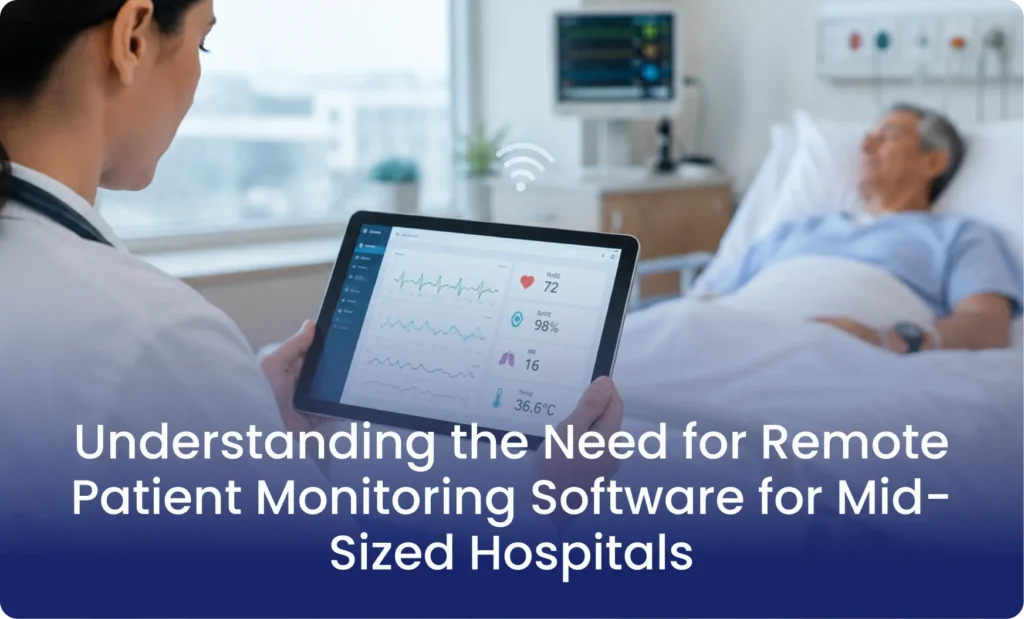
This is where remote patient monitoring software for mid-sized hospitals becomes valuable. It allows hospitals to collect health measurements from patients at home and make that information available to authorized healthcare professionals.
Why Mid-Sized Hospitals Face Challenges in Patient Monitoring
They have a large number of patients in various departments, which can cause issues with managing and appropriately caring for them. This is due to:
Several challenges contribute to this problem.
1. Limited Staff
Staff within hospitals are already busy managing patients’ appointments, discharges, treatments, and documentation. Adding monitoring patients daily can cause extra work for staff. Nurses may also spend more time contacting patients, taking readings, and ensuring they have been recorded.
This means less time for other tasks. Remote patient monitoring software helps organize incoming readings and reduces the need for manual data collection.
2. Limited Visibility After Patient Discharge
Even after discharging a patient from hospital, they will still require some form of medical oversight. Patients recovering from hospital or those with chronic conditions can experience changes in their health whilst at home. Without regular measurements being taken, there is little information for the healthcare team between appointments.
Using RPM can help hospitals stay in touch with suitable patients and see how their health readings are.
3. Delayed Identification of Health Changes
Traditional follow-up appointments mean only specific times of information will be available. Any changes in between these will not be picked up until the patient experiences symptoms or comes back for treatment.
Having remote monitoring means extra measurements can be taken so healthcare professionals can pick up on any trends. Although it cannot guarantee preventing complications and re-admissions, it can give more information to the clinical team.
4. Administrative Pressure From Manual Follow-Ups
Consistent communication is required with the patients so that they can participate in the monitoring program. Clinic Staff has to contact patients that have missed readings due to issues in the device, if there is any issue in the device, troubleshoot them and document interactions.
These repetitive responsibilities can become difficult to manage as enrollment increases. A remote patient monitoring platform can handle patient outreach and technical support, reducing the operational burden on hospital employees.
How Remote Patient Monitoring Software Addresses These Challenges
Remote patient monitoring software connects patients, medical devices, and healthcare teams through a shared monitoring system. This process addresses several gaps in traditional patient monitoring.
Continuous Access to Patient Readings
One of the major advantages of remote patient monitoring software is that providers don’t have to depend on information collected during appointments; they can review readings any time.
More Organized Patient Follow-Ups
Remote monitoring programs help hospitals identify patients who have stopped submitting readings. Monitoring coordinators can contact these patients, identify problems, and help them resume regular measurements.
This keeps patient communication organized without requiring hospital nurses to handle every reminder.
Better Coordination Between Monitoring and Clinical Teams
Remote patient monitoring software helps organize patient readings and alerts for clinical review. When any sort of measurements requires attention of a healthcare provider, the team follows the process and shares the information that is relevant with healthcare professional.
Why Centralized Monitoring Matters for Mid-Sized Hospitals
As hospitals enroll more patients in remote monitoring programs, keeping track of individual readings becomes increasingly demanding.
A centralized monitoring approach allows designated teams to review patient information through a shared system rather than relying on scattered records and manual updates.
For mid-sized hospitals, this approach can support:
- Organized Patient Oversight: Monitoring teams can access readings from multiple enrolled patients in one system.
- Consistent Escalation: Concerning measurements can be directed to the appropriate clinical team.
- Reduced Manual Tracking: Staff members spend less time collecting and organizing individual readings.
- Better Coordination: Monitoring teams and treating providers can follow established communication procedures.
The purpose of centralized monitoring is not to replace hospital departments or physicians. It is to make patient information easier to manage and review
The Role of Remote Patient Monitoring in Chronic Disease Management
Chronic conditions often require regular measurements and long-term follow-up. Remote patient monitoring helps hospitals extend monitoring beyond the facility.
Hypertension: Connected blood pressure monitors allow patients to record readings at home. Providers can review blood pressure trends and evaluate whether additional follow-up is necessary.
Heart Failure: Connected weight scales help track weight changes that can be clinically relevant in heart failure management. Providers can review concerning trends alongside symptoms and other clinical information.
Diabetes: Connected glucose meters allow patients to transmit blood glucose measurements for review by their healthcare team.
COPD: Pulse oximeters can record oxygen saturation measurements when monitoring is clinically appropriate. Providers can review readings alongside the patient’s symptoms and overall condition.
These applications give hospitals additional information to support ongoing disease management.
Frequently Asked Questions
1. Why do mid-sized hospitals need remote patient monitoring software?
Mid-sized hospitals need RPM software to collect patient readings outside the facility, support chronic disease management, organize follow-ups, and reduce manual monitoring responsibilities.
2. Can remote patient monitoring help hospitals after patient discharge?
Yes, remote patient monitoring can be used by hospitals to provide monitoring to qualifying patients once they have left the hospital. Patients will be connected to devices which will send their health data to authorised healthcare professionals who can view their readings as part of follow up.
3. Does remote patient monitoring reduce hospital readmissions?
Patients can be monitored to identify any changes to measurements which may require clinical intervention. However, there is no guarantee that remote patient monitoring will reduce readmissions. This depends on the patient’s condition, clinical intervention, how the program is set up, and follow-up.
4. Can mid-sized hospitals manage RPM without hiring additional staff?
Yes! Mid-sized hospitals can collaborate with an operational partner to manage the distribution of devices, onboarding of patients, technical support, reviewing of readings, and follow-up. How much staff will be required depends on how many patients you are onboarding and what clinical work is required.
Give Your Hospital Better Visibility Into Patient Health
Mid-sized hospitals need reliable ways to monitor patients beyond traditional appointments. Remote patient monitoring software helps bridge this gap by collecting home-based health readings and making them available for clinical review.
Mediremote combines monitoring technology with operational support to help hospitals manage patient enrollment, device logistics, daily readings, and follow-ups without placing every responsibility on their existing staff.